Focal Therapy for Prostate Cancer: A Targeted Treatment Option
A Targeted Treatment Option for Selected Men with Localized Disease
About This Event
Men's Health Thailand | By Dr. Niti Navanimitkul, Urologist
A diagnosis of prostate cancer often raises two important questions:
- How serious is my prostate cancer?
- How will treatment affect my quality of life?
For men with early or localized prostate cancer, there are several treatment options. These may include active surveillance, surgery to remove the prostate (radical prostatectomy), radiotherapy, and, in selected cases, focal therapy.
Traditional whole-gland treatments can be effective in controlling prostate cancer. However, because the prostate is closely connected to structures involved in urinary control and sexual function, treatment may affect continence, erections, ejaculation, and other aspects of quality of life.
For this reason, researchers and prostate cancer specialists have continued to explore treatments that target the cancer more precisely. One such approach is known as focal therapy for prostate cancer.
What Is Focal Therapy for Prostate Cancer?
Focal therapy is sometimes described as a form of targeted or partial-gland treatment for prostate cancer. Rather than removing or treating the entire prostate, focal therapy aims to treat the area of the prostate containing clinically significant cancer while preserving as much healthy prostate tissue and surrounding structures as possible.
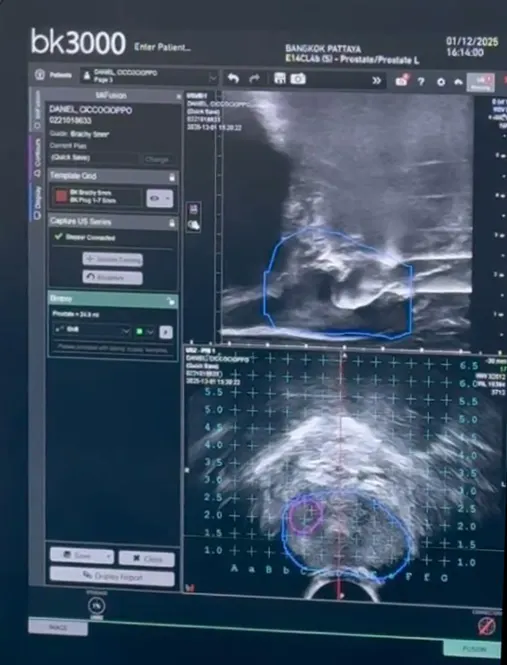
Before focal therapy is considered, doctors need to identify the location and extent of the cancer as accurately as possible. This evaluation may include:
- PSA blood testing
- Multiparametric MRI (mpMRI) of the prostate
- Targeted prostate biopsy
- Systematic prostate biopsy
- Assessment of prostate cancer grade and risk level
Types of Focal Therapy for Prostate Cancer
High-Intensity Focused Ultrasound (HIFU)
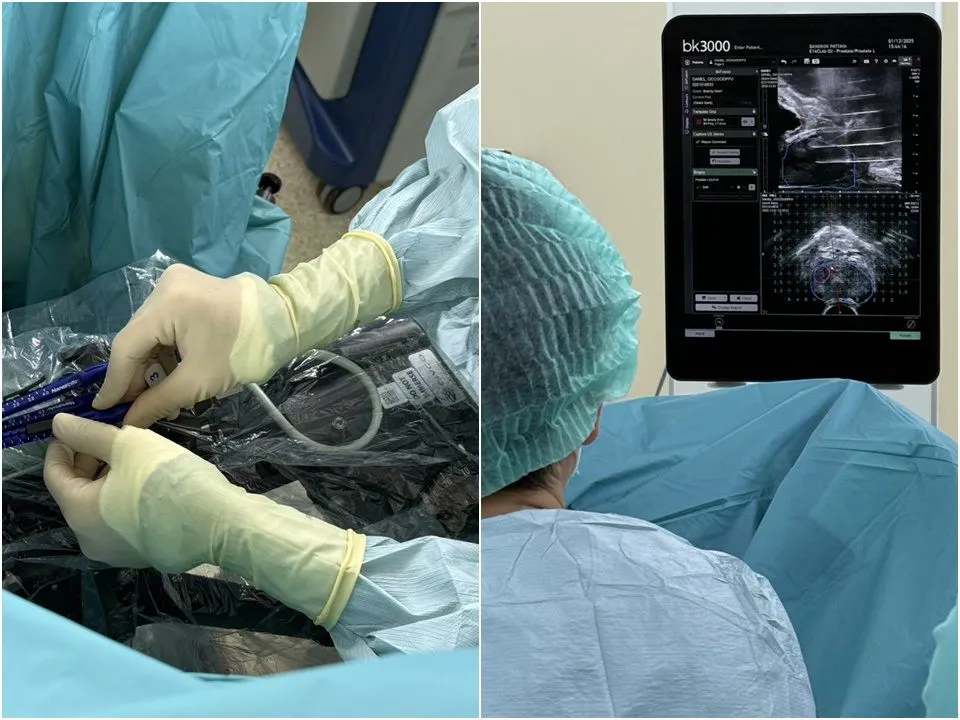
HIFU for prostate cancer uses focused ultrasound energy to generate heat and destroy targeted prostate tissue. The energy is directed toward the selected treatment area while attempting to limit exposure to surrounding tissue.
Cryotherapy
Cryotherapy for prostate cancer uses extremely cold temperatures to freeze and destroy targeted cancer tissue. Cryotherapy may be used as a focal treatment in selected cases, although its suitability depends on the individual patient's cancer characteristics.
Irreversible Electroporation (IRE or NanoKnife)
Irreversible electroporation (IRE), sometimes referred to as NanoKnife, uses short electrical pulses to create permanent changes in the membranes of targeted cells. IRE is being investigated and used in selected settings as a focal treatment approach for localized prostate cancer.
Other Emerging Focal Therapy Technologies
Some specialist centres may also use laser-based or other energy-based techniques. Research is continuing to compare these technologies and to better understand their long-term effectiveness, cancer control, safety, and impact on quality of life.
Who May Be a Candidate for Focal Therapy?
Focal therapy is not suitable for every man with prostate cancer. In general, it may be considered for selected patients with:
- Localized prostate cancer confined to the prostate
- Low-risk or selected intermediate-risk prostate cancer
- A dominant or clinically significant cancer area that can be identified accurately
- MRI and biopsy findings suitable for targeted treatment
- A desire to balance cancer treatment with preservation of urinary and sexual function
Focal therapy may be less appropriate when prostate cancer:
- Is highly aggressive
- Is present extensively in multiple areas of the prostate
- Cannot be accurately localized
- Has spread outside the prostate
- Has metastasized to lymph nodes, bones, or other parts of the body
A urologist will consider several factors before recommending treatment. These may include PSA levels, MRI findings, biopsy results, Gleason Grade Group, cancer stage, prostate anatomy, general health, age, and personal treatment priorities.
Potential Advantages of Focal Therapy
Preserving Urinary Control
Because focal therapy treats only part of the prostate, less tissue may be affected than with treatment directed at the entire gland. For selected patients, this may help reduce the risk of significant long-term urinary incontinence.
Preserving Sexual Function
The nerves and blood vessels involved in erectile function are located close to the prostate. By targeting only the cancer area, focal therapy may allow more surrounding structures to remain unaffected. Some patients may therefore have a better chance of maintaining erectile function compared with certain whole-gland treatments.
Shorter Recovery for Some Patients
Depending on the focal therapy technique, some patients may return home on the same day or after a short hospital stay, require less recovery time than after major surgery, and return to light daily activities relatively quickly.
Risks and Possible Side Effects
Although focal therapy is designed to reduce unnecessary treatment of healthy tissue, it remains a medical procedure and can cause side effects. Possible short-term side effects include:
- Burning or discomfort when urinating
- Urinary urgency or increased frequency
- Temporary difficulty passing urine or need for catheter
- Blood in the urine or semen
- Urinary tract infection or pelvic discomfort
Can Prostate Cancer Return After Focal Therapy?
Because focal therapy does not remove or treat the entire prostate, prostate tissue remains in place after treatment. Cancer may remain or recur in the treated area, previously undetected cancer may exist elsewhere, and new cancer may be identified during follow-up. Long-term monitoring is essential.
Tests Needed Before Focal Therapy
- PSA Testing: Provides important information about prostate health and cancer risk.
- Multiparametric MRI: Helps identify suspicious areas, estimate tumour size and location, and plan treatment.
- Prostate Biopsy: Confirms cancer presence, location, aggressiveness, and distribution.
Follow-Up After Focal Therapy
Follow-up is critical. Regular PSA testing, repeat prostate MRI, clinical examinations, and repeat prostate biopsy when clinically indicated are all part of ongoing monitoring.
When Should You Speak With a Urologist?
- An elevated or rising PSA level
- An abnormal prostate MRI
- A prostate biopsy showing cancer
- Questions about localized prostate cancer or treatment options
- Concerns about urinary or sexual side effects
Conclusion: Is Focal Therapy Right for You?
Focal therapy for prostate cancer is a targeted treatment approach that may be considered for carefully selected men with localized prostate cancer. Its potential advantage is treating identified cancer while limiting treatment to the rest of the prostate.
However, focal therapy is not suitable for everyone. Careful patient selection, accurate imaging and biopsy assessment, appropriate treatment planning, and long-term follow-up are essential.
For men with localized prostate cancer who are considering focal therapy, an experienced urologist can help review the MRI, PSA, biopsy, cancer risk, and available treatment options to determine which approach may be most appropriate.