Urinary Symptoms, Hydrocele & Varicocele Treatment Pattaya | Specialist Clinic
Expert diagnosis and treatment for urinary issues, hydrocele, and varicocele. Board-certified urologist in Pattaya. Check prices and real patient reviews.
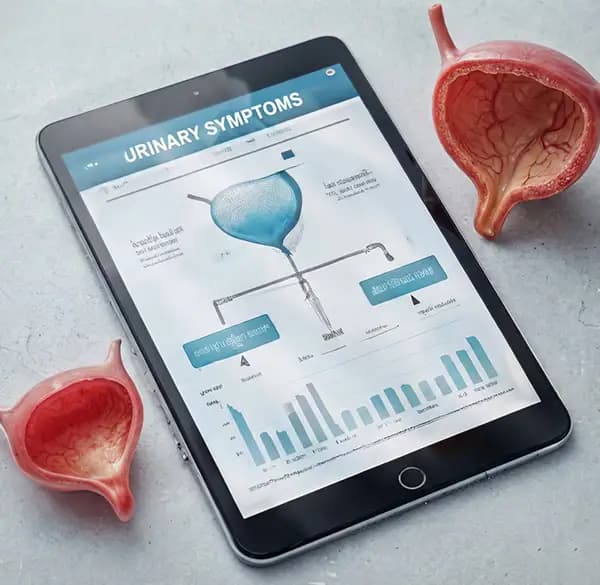
What are Common Urinary Symptoms?
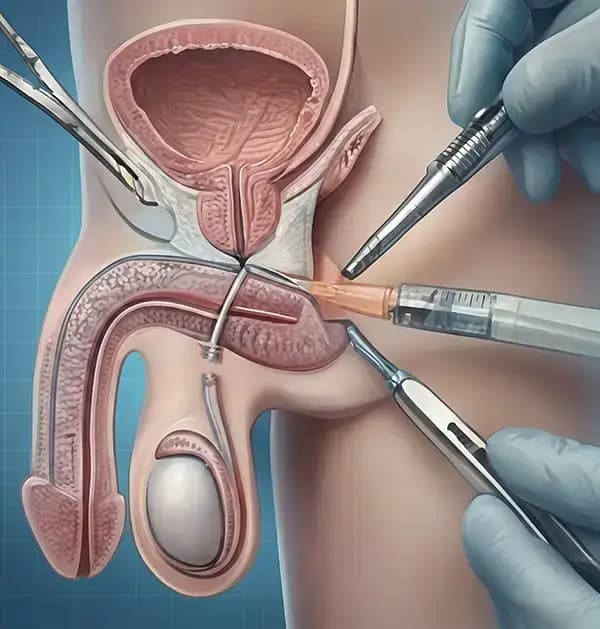
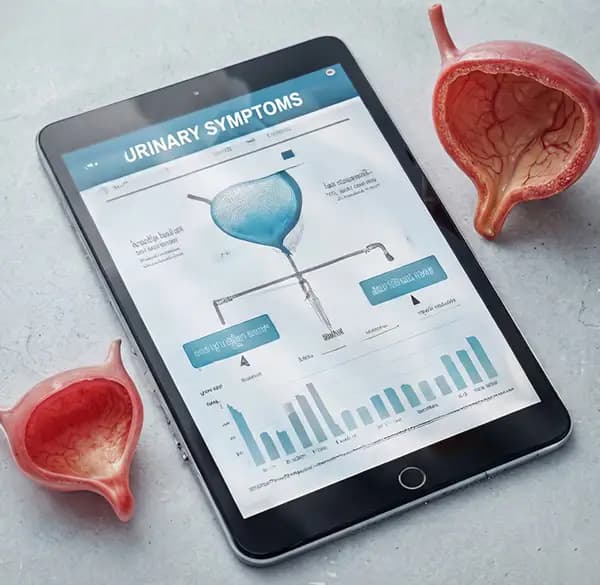
Urinary symptoms, also known as Lower Urinary Tract Symptoms (LUTS), include a range of issues such as frequent urination, urgency, weak stream, and nocturia. We also diagnose and treat scrotal conditions including hydrocele (fluid accumulation around the testicle) and varicocele (enlarged veins in the scrotum). Understanding the root cause is the first step toward effective management and relief.
Clinical Mechanism
| Condition | Symptoms & Signs |
|---|---|
Cystitis (Bladder Infection) | A frequent or urgent need to urinate, a painful burning sensation during urination (dysuria), pelvic discomfort, feeling like the bladder isn't empty, or cloudy, blood-tinged urine (hematuria). |
Pyelonephritis (Kidney Infection) | High fever, severe chills, intense flank pain (pain in the upper back and sides), nausea, and vomiting, often accompanied by painful urination. |
| Condition | Symptoms & Signs |
|---|---|
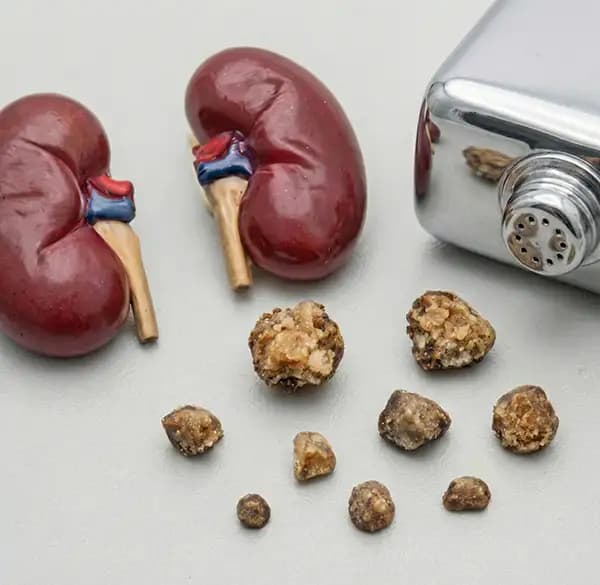
Kidney & Ureteral Stones | Severe, sharp, fluctuating pain in the back or side (flank pain) that may radiate to the lower abdomen, groin, or testicles. Other signs include pink, red, or brown urine, and occasionally passing small stone fragments. |
Bladder Stones | Difficulty urinating, an interrupted urine stream, dull lower abdominal pain, and frequent, small amounts of urine. |
| Condition | Symptoms & Signs |
|---|---|
BPH (Enlarged Prostate) | A weak or slow urinary stream, difficulty starting urination, feeling that the bladder is not completely empty, frequent urination (especially at night — nocturia), and dribbling at the end of urination. |
Prostate Cancer | Often asymptomatic in its early stages. As the tumor grows and presses against the urethra, it causes symptoms similar to BPH. Advanced stages may cause deep bone pain in the lower back, hips, or thighs. |
| Condition | Symptoms & Signs |
|---|---|
Overactive Bladder (OAB) | A sudden, uncontrollable urge to urinate that may lead to involuntary urine leakage (urge incontinence). Individuals with OAB often need to urinate more than eight times during the day and wake up multiple times at night, without any underlying infection. |
| Condition | Symptoms & Signs |
|---|---|
Hydrocele (Fluid Around Testicle) | Painless swelling of one or both testicles due to fluid accumulation around the testis. The scrotum may feel heavy or enlarged, and swelling may worsen throughout the day. A characteristic sign is transillumination — the scrotum glows when a light is shone through it. |
Varicocele (Enlarged Scrotal Veins) | Enlarged, twisted veins in the scrotum (similar to varicose veins in the legs), often described as feeling like a "bag of worms." Symptoms include a dull, aching pain or heaviness in the scrotum that worsens after standing or physical activity, and may be associated with reduced fertility or testicular atrophy. |
Treatment Procedure
Detailed History
Discuss symptom onset, severity, triggers, and impact on daily life.
Physical Exam
Abdominal and digital rectal exam to assess prostate and bladder.
Diagnostics
Uroflowmetry, post-void residual, urinalysis, and imaging as needed.
Treatment Plan
Address root cause with medications, lifestyle changes, or procedures.
Suitable Candidates
- Men experiencing frequent urination (>8 times/day).
- Those with urgency, nocturia (nighttime urination >2x), or weak stream.
- Patients suffering from urinary incontinence (leakage).
- Individuals with painful urination or pelvic discomfort.
Diagnostic & Care Pathway
Initial Workup
Uroflowmetry, ultrasound, and detailed symptom assessment.
Targeted Therapy
Commence medication or behavioral plan based on primary cause.
Management
Follow-up to assess symptom relief and adjust therapy for long-term control.
Frequently Asked Questions
QWhat causes frequent urination in men?
Common causes include BPH (enlarged prostate), overactive bladder (OAB), urinary tract infection (UTI), diabetes, or excessive fluid intake. A proper evaluation is needed to identify the specific cause.
QIs urinary incontinence a normal part of aging?
No. While urinary incontinence becomes more common with age, it is not inevitable and is often treatable with medication, behavioral therapy, or minimally invasive procedures.
QWhat is uroflowmetry and how does it work?
Uroflowmetry is a simple, non-invasive test that measures your urine flow rate and volume. You urinate into a special device that records the data, helping your urologist assess bladder and prostate function.
Ready to Start?
Consult with our Board-certified specialists at M-Trust Urology for Urinary Symptoms, Hydrocele & Varicocele Treatment Pattaya | Specialist Clinic.