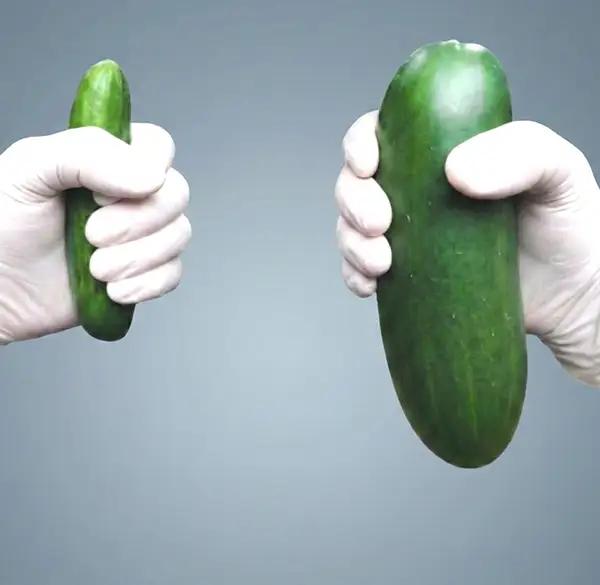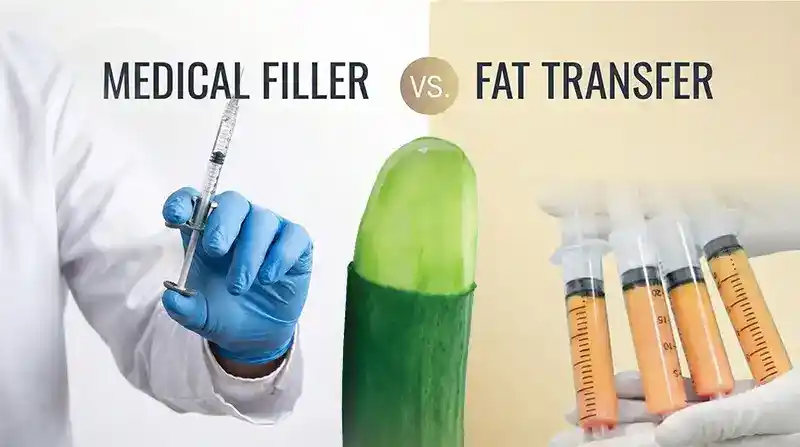
Male aesthetic enhancement is no longer a taboo subject. Modern medicine offers safe, effective, and non-surgical options for penile girth enhancement. The two gold-standard procedures are Hyaluronic Acid (HA) Fillers and Autologous Fat Transfer. Understanding the differences is key to choosing the right path for your confidence.
1. Hyaluronic Acid (HA) Fillers
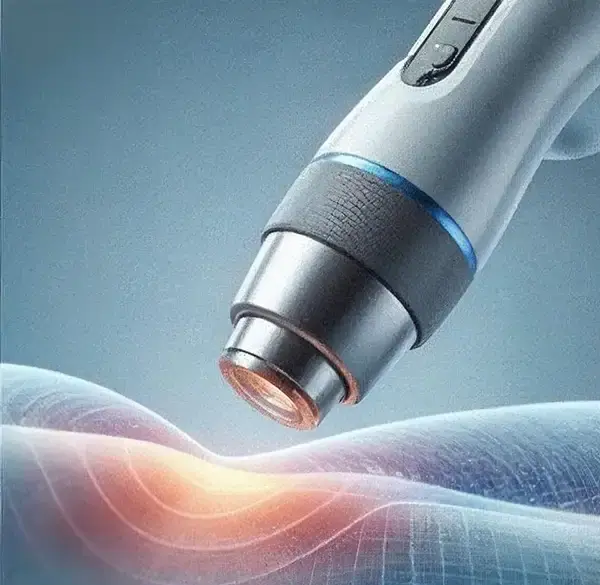
Similar to facial fillers, medical-grade HA fillers are injected beneath the penile skin to increase circumference. This method is popular for its precision and reversibility.
- Pros: No downtime, immediate results, symmetrical outcome.
- Cons: Temporary (lasts 12-18 months), requires maintenance.
- Best for: First-timers seeking a trial or subtle enhancement.
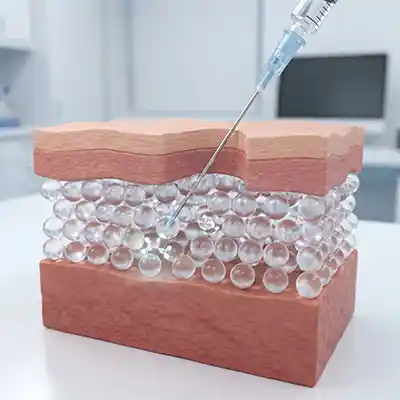
Precise and reversible: HA Dermal Fillers
2. Autologous Fat Transfer
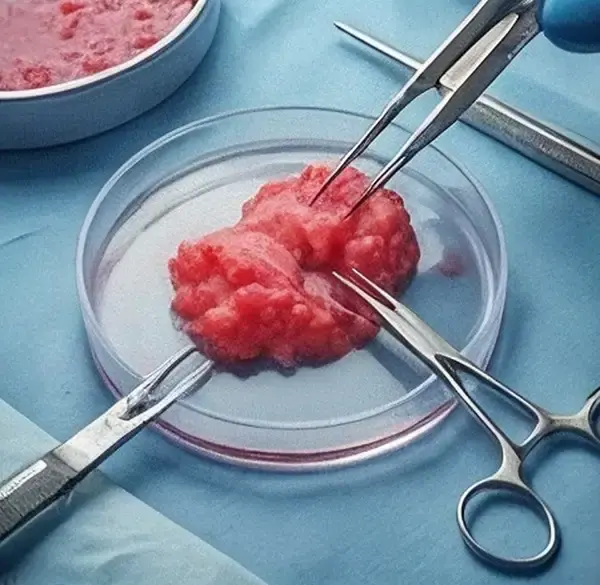
This procedure involves harvesting fat from your own body (abdomen or thighs), purifying it, and injecting it into the penile shaft. Since it uses your own tissue, the results feel incredibly natural.
"Fat transfer offers a 'two-in-one' benefit: liposuction for specific body contouring and natural penile girth enhancement that can last for years."
Disadvantages of Autologous Fat Transfer:
- Unpredictable Fat Absorption: 30-50% of transferred fat may be reabsorbed by the body, causing uneven or asymmetrical results over time.
- Risk of Lumps & Nodules: Fat can clump or form fibrous nodules, creating an irregular texture that may require corrective procedures.
- Requires Surgery: The fat harvesting (liposuction) step requires anesthesia, incisions, and a longer recovery period (2-4 weeks).
- Not Reversible: Unlike HA fillers, fat cannot be dissolved with an enzyme if complications arise.
- Potential Donor Site Complications: Bruising, swelling, or contour irregularities at the liposuction site.
Comparison: HA Fillers vs. Fat Transfer
| Feature | HA Fillers | Fat Transfer |
|---|---|---|
| Procedure Type | Non-surgical (injection) | Minor surgery (liposuction + injection) |
| Procedure Time | 30-45 minutes | 1-2 hours |
| Anesthesia | Local anesthesia (topical) | Local or general anesthesia |
| Results Duration | 12-18 months | Longer-lasting (varies by absorption rate) |
| Downtime | None - resume daily activities immediately | 2-4 weeks recovery |
| Result Predictability | High - precise volume control | Moderate - 30-50% fat may be reabsorbed |
| Symmetry | Excellent - even distribution | Risk of lumps/asymmetry |
| Reversibility | Yes - dissolvable with Hyaluronidase | No - requires surgical correction |
| Natural Texture | Good - slightly firmer | Excellent - very soft and natural |
| Best For | First-timers, subtle enhancement, low risk | Patients seeking longer-lasting results with body contouring |
Safety Warning: Avoid Paraffin & Silicone
NEVER inject liquid silicone, paraffin, or oils. These unauthorized substances cause severe granulomas, infection, and permanent deformity requiring complex reconstructive surgery to fix. Always choose FDA/Thai FDA approved medical methods performed by a specialist urologist.