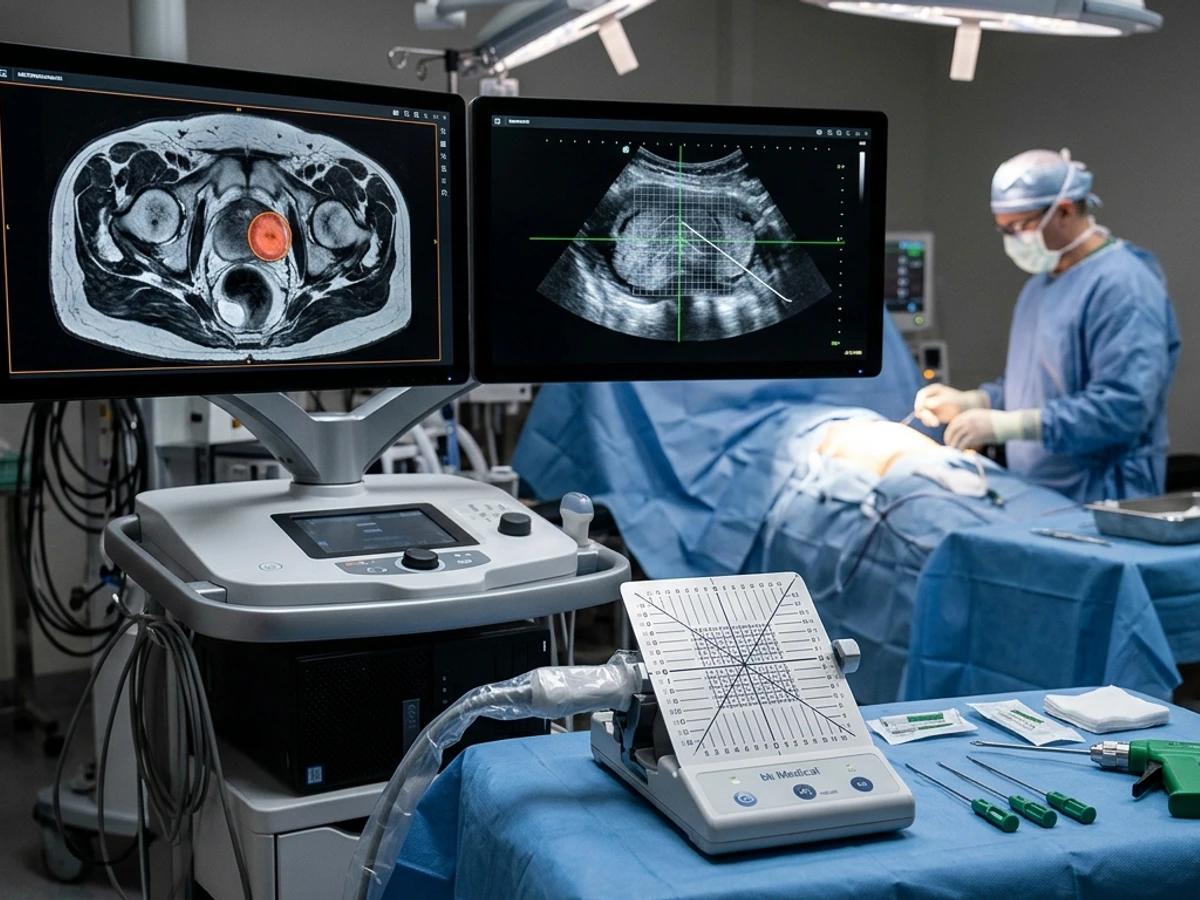
Clinical Key Takeaways (At a Glance)
- Precision Targeting: MRI-ultrasound fusion overlays your multiparametric MRI onto live ultrasound so needles sample exact suspicious spots plus systematic mapping cores.
- Two Safe Routes: Transrectal (side-lying, moderate sedation) vs Transperineal (back-lying, TIVA/general anesthesia, skin entry avoiding bowel bacteria).
- Day-Case Efficiency: ~30-minute procedure, 6-hour fast, IV antibiotic 1 hour prior, enema preparation, same-day discharge, and pathology results in ~7 days.
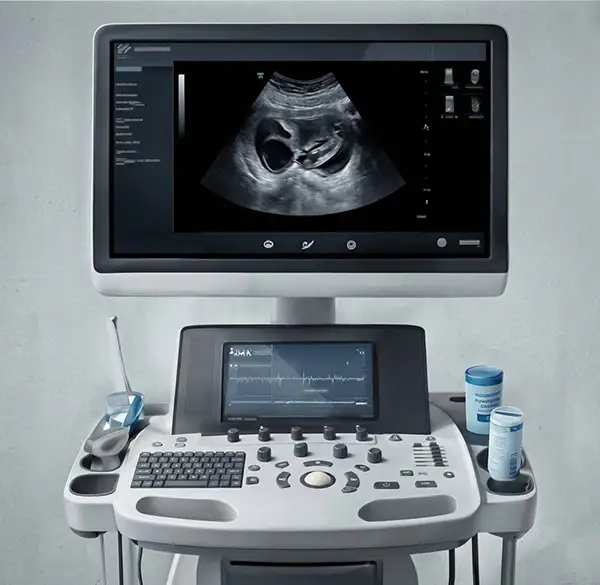
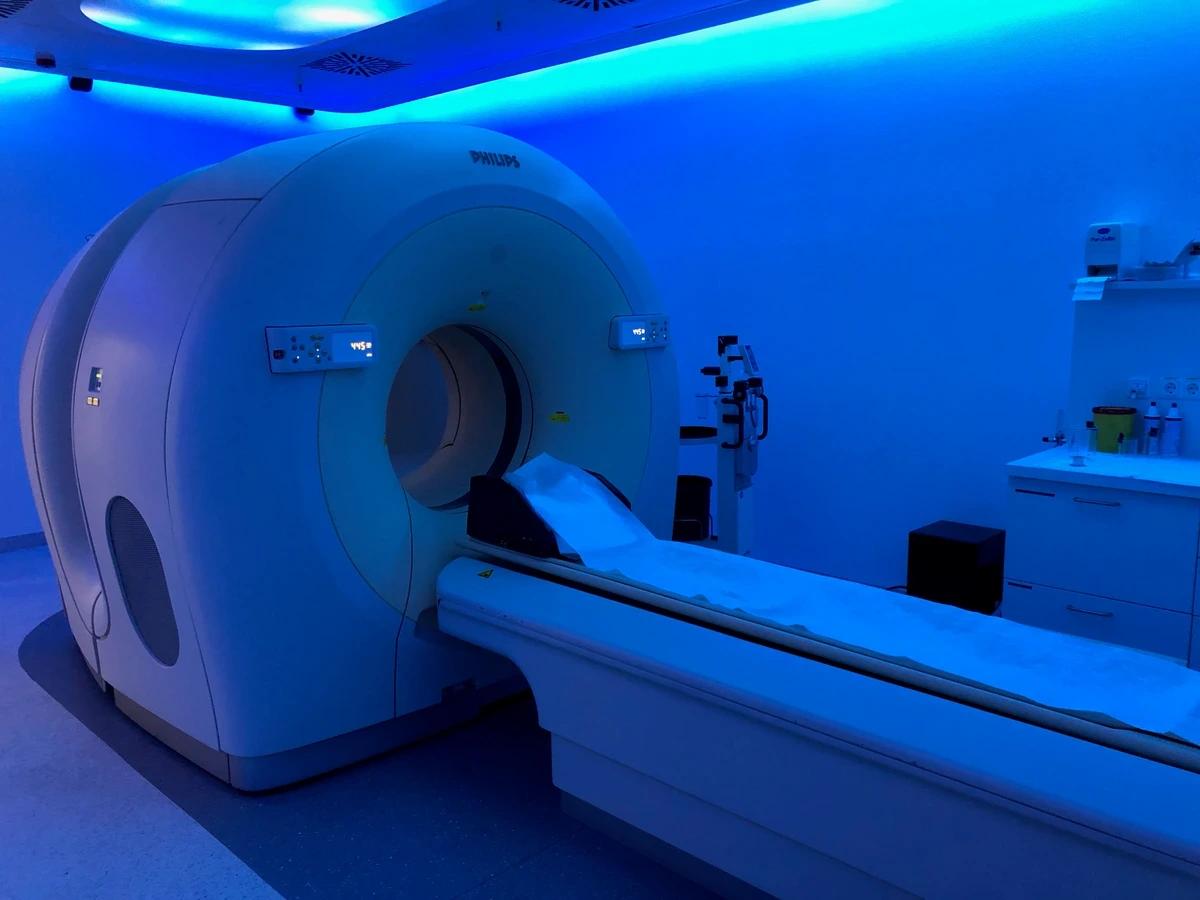
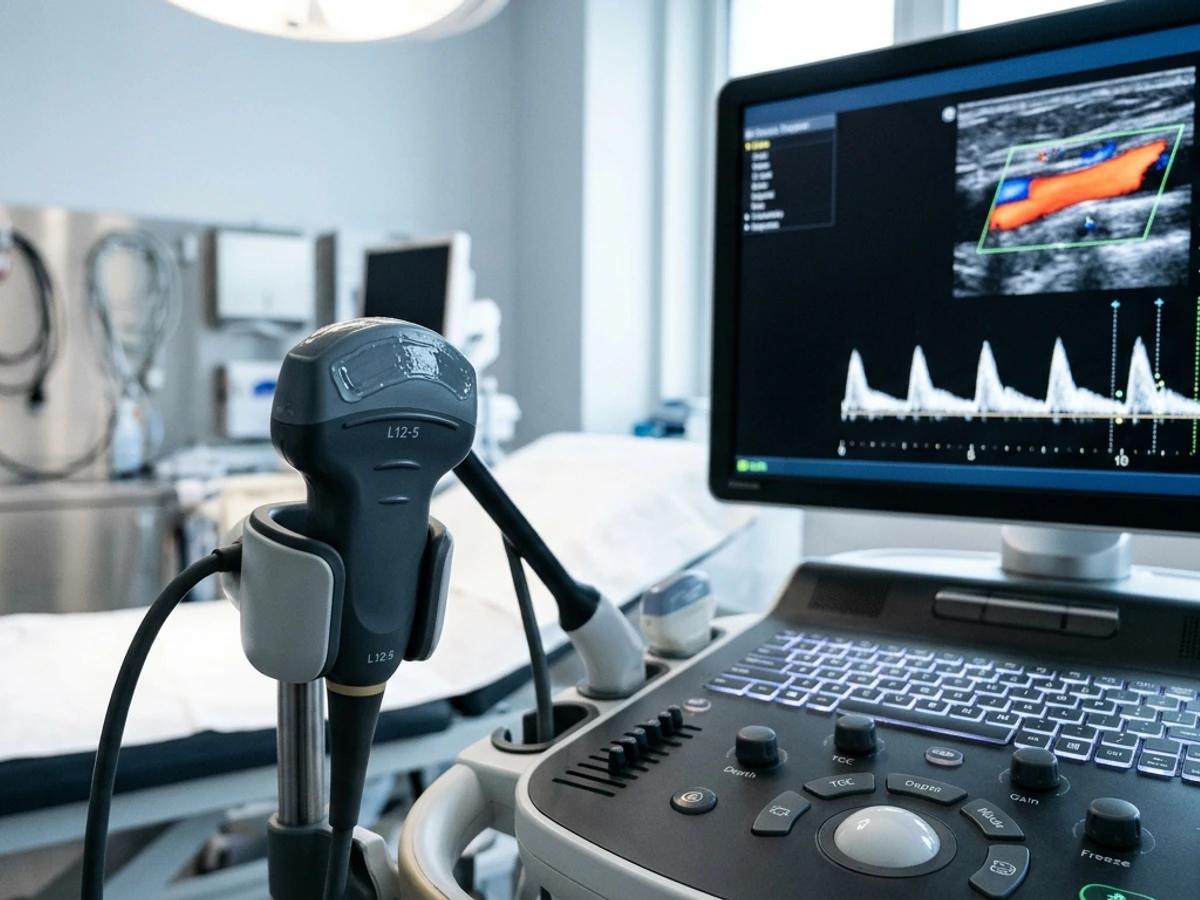
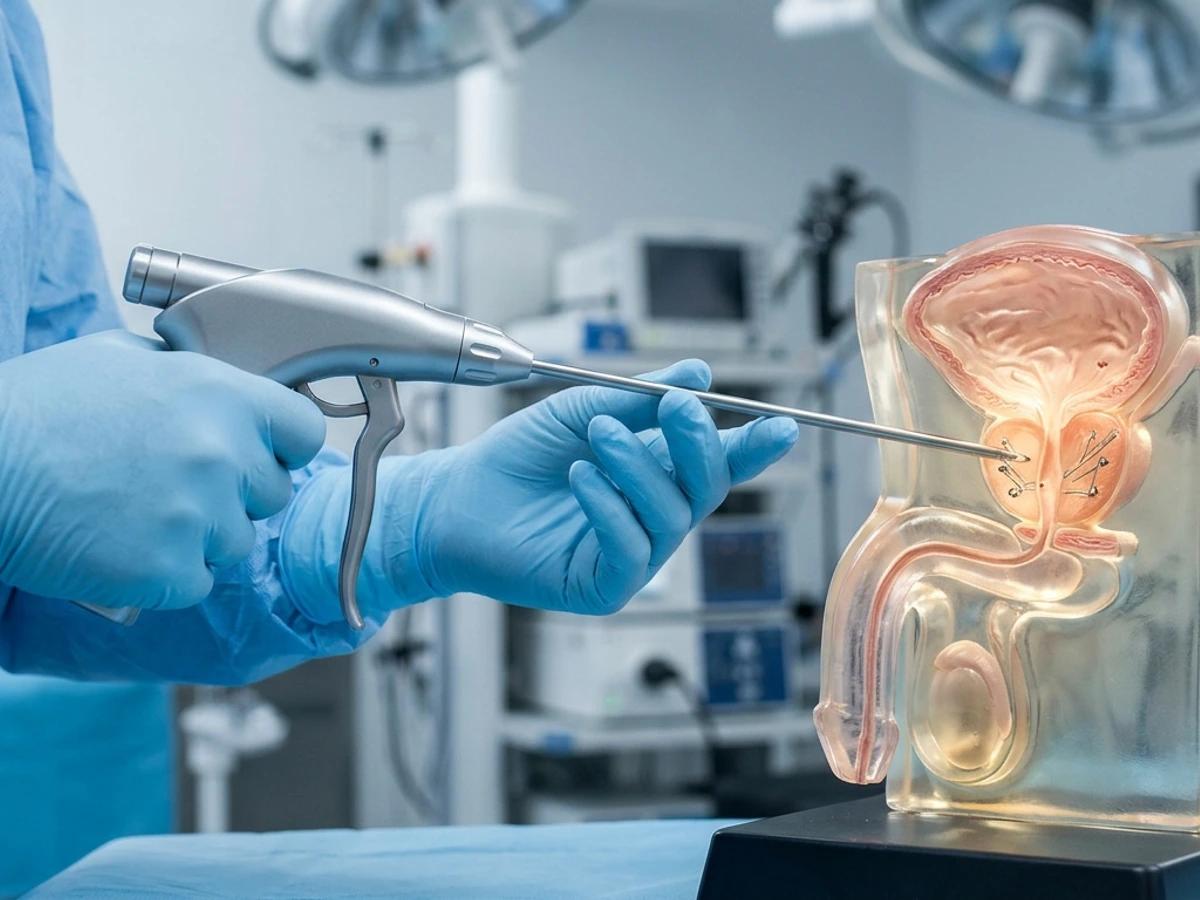
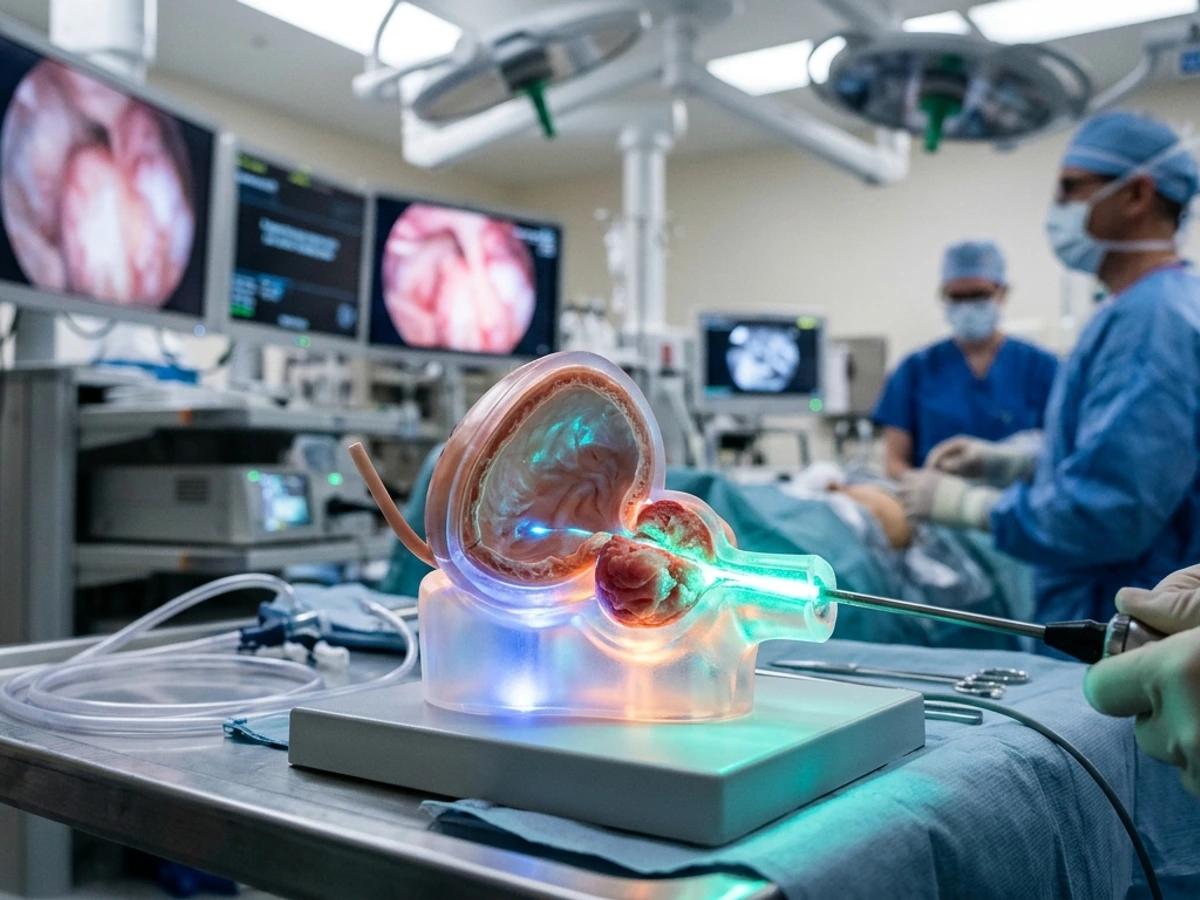
When your PSA blood test is elevated, a digital rectal examination feels abnormal, or a multiparametric prostate MRI reveals a suspicious PI-RADS lesion, tissue confirmation under a microscope remains the gold standard. Traditional "blind" biopsies sample 12 random spots and can miss clinically significant tumors. As Board-Certified Urologist Dr. Niti Navanimitkul (ว.29673) explains in our video guide above, MRI Fusion Prostate Biopsy digitally fuses your 3D MRI roadmap directly onto real-time ultrasound images so every needle pass is guided with millimeter accuracy.
Transrectal vs. Transperineal Biopsy: How Do the Two Routes Compare?
During an MRI fusion biopsy, Dr. Niti takes both targeted cores from the MRI-highlighted spot and systematic cores around the rest of the prostate gland to ensure nothing is overlooked. Depending on lesion location, prostate anatomy, and infection risk, two routes are used:
| Clinical Feature | Transrectal Route | Transperineal Route |
|---|---|---|
| Needle Entry Path | Passes through the wall of the rectum | Passes through sterile skin between scrotum & anus (avoids bowel) |
| Patient Position & Comfort | Lying on your side under moderate sedation | Lying on your back with legs supported, fully asleep (TIVA or general anesthesia) |
| Infection & Anterior Reach | Requires targeted antibiotic prophylaxis; slightly higher sepsis risk | Lowest infection risk; superior access to anterior and apical tumors |
Step-by-Step Preparation Before Your Biopsy
- Medication Review: Inform your urologist about all medicines and allergies—especially blood thinners (aspirin, clopidogrel, anticoagulants), diabetes medications, and any recent antibiotics.
- Infection Prevention: Your urine is screened beforehand to rule out active infection, a cleansing enema is given, and an intravenous (IV) antibiotic is administered 1 hour prior to sampling.
- Fasting & Escort: Do not eat or drink anything for 6 hours before anesthesia. Arrange for someone to escort you home and avoid driving until the following day.
Recovery at Home & Emergency Warning Signs
Most men go home the same day after resting for a few hours. Mild pelvic soreness, light blood in the urine for several days (sometimes up to 2 weeks), and blood-tinged semen for several weeks are normal and harmless.
Seek Immediate Emergency Care If You Develop:
- Fever of 38 °C (100.4 °F) or higher or shaking chills
- Inability to pass urine (acute urinary retention)
- Heavy urinary or rectal bleeding with thick blood clots, or severe worsening pain
Microscopic pathology results typically return in about 1 week. Even when a biopsy result is benign, keep your scheduled PSA & diagnostic follow-up visits at M-Trust Urology Clinic Pattaya, as serial monitoring ensures complete peace of mind. Book a private prostate consultation with Dr. Niti today.