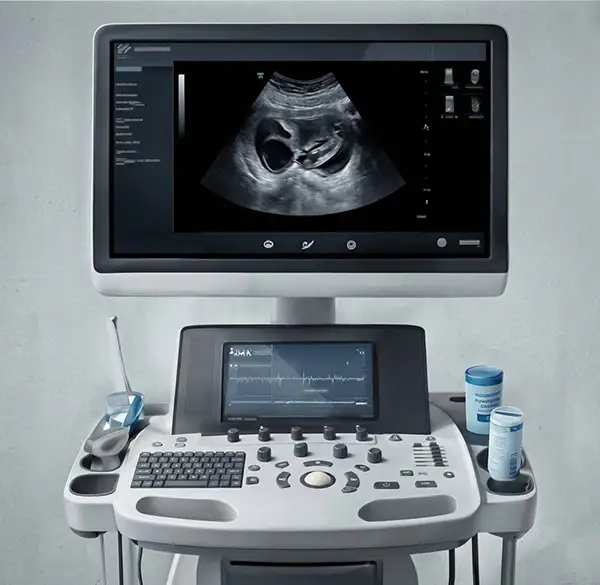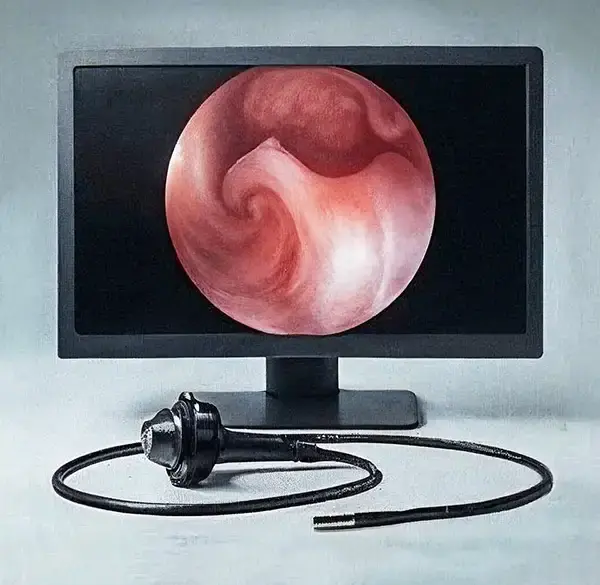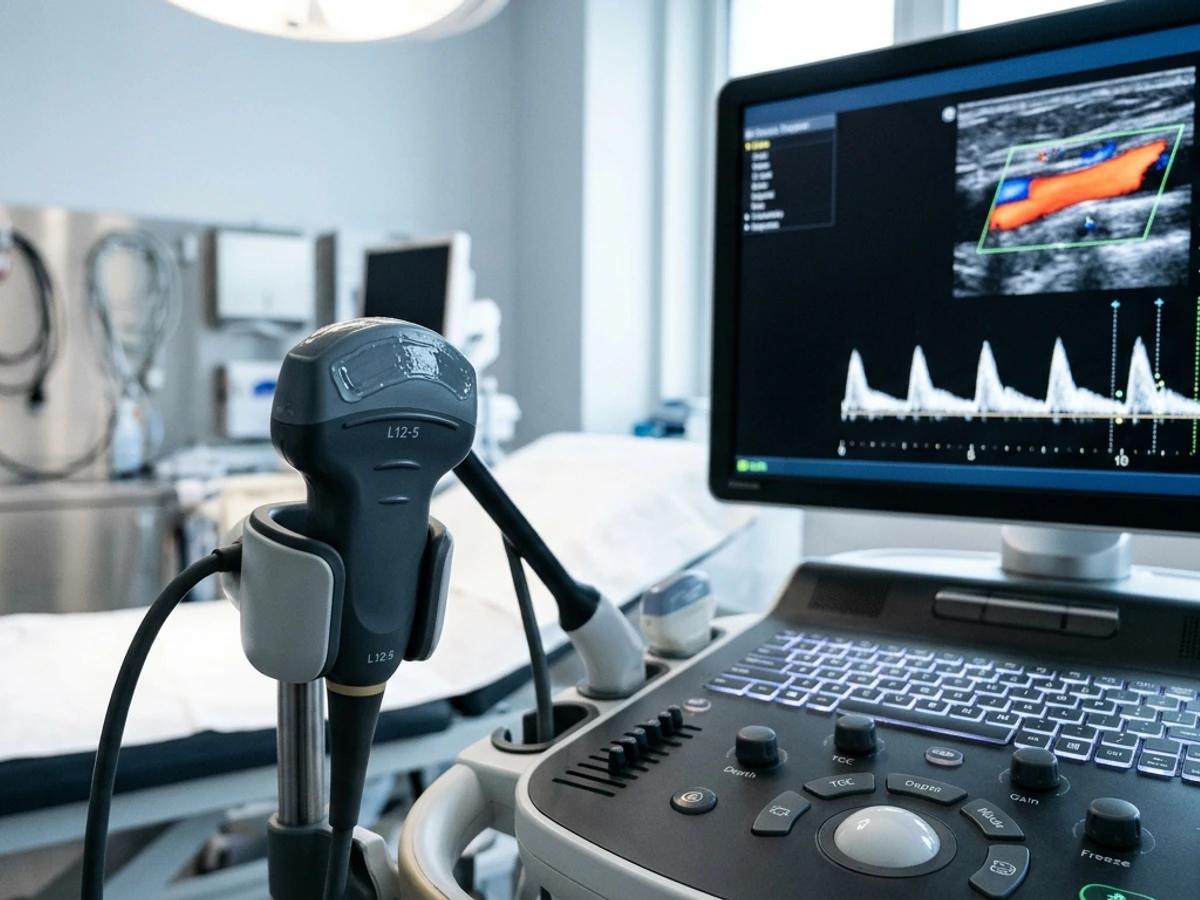
Modern 5-Step Prostate Cancer Diagnostic & Care Pathway
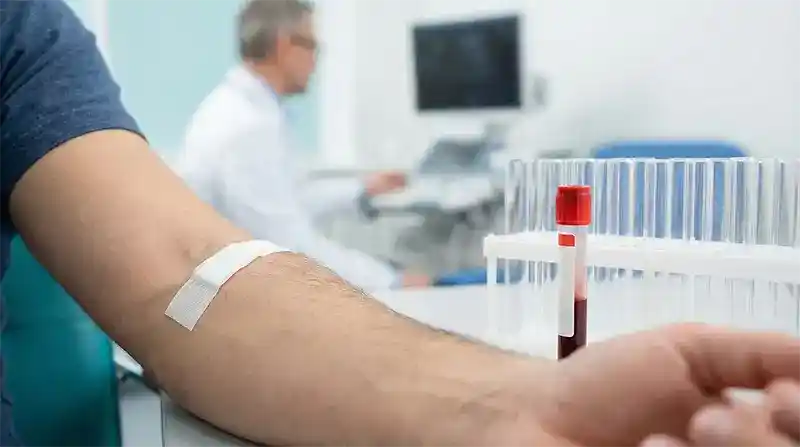
- PSA Blood Screening: Catches silent early tumors before symptoms appear (start age 50, or 40–45 with family history).
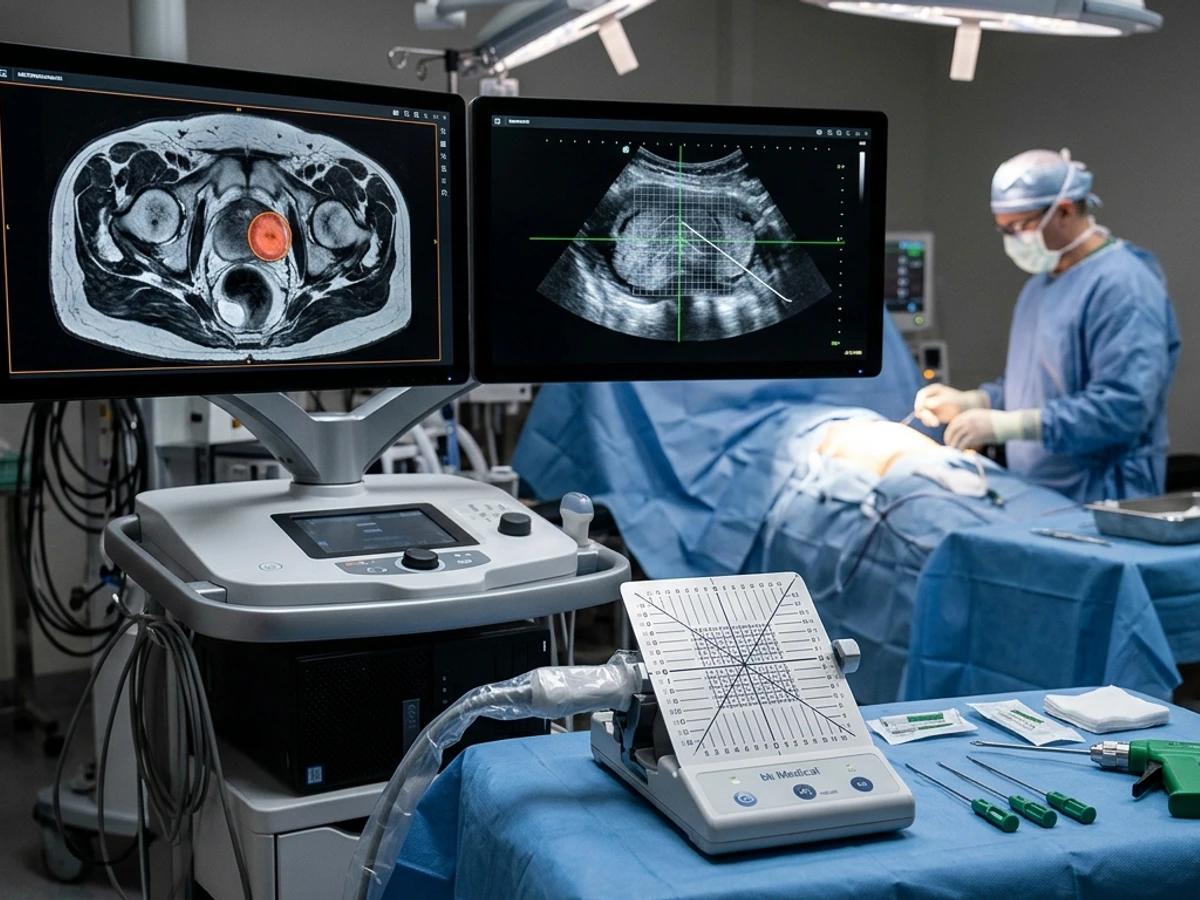
- Multiparametric MRI (PI-RADS 1–5): Performed before biopsy to avoid unnecessary needles when benign and pinpoint high-risk targets.
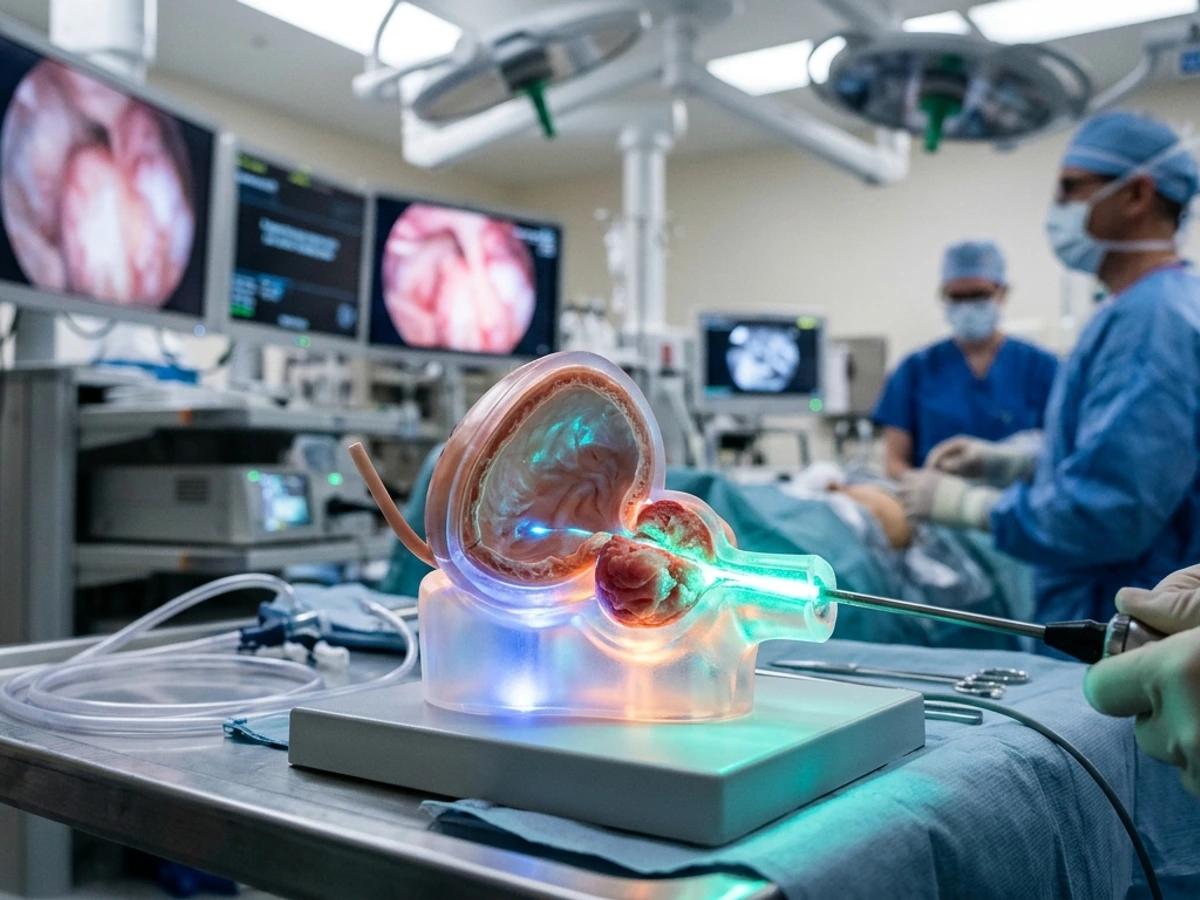
- Targeted MRI Fusion Biopsy: Replaces blind 12-core sampling with millimeter-accurate lesion confirmation.
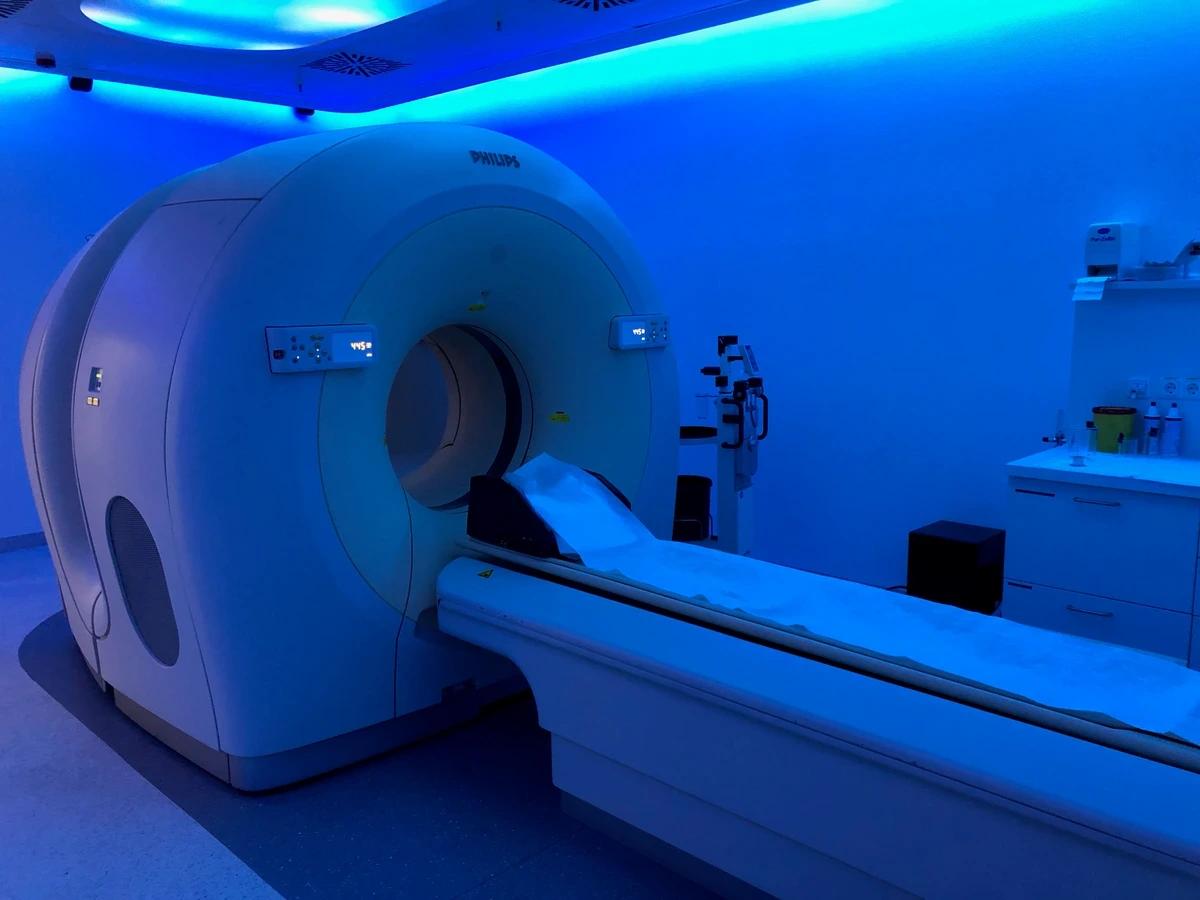
- PSMA PET-CT Molecular Staging: Detects whole-body lymph node or bone spread in intermediate/high-risk cases with unmatched sensitivity.
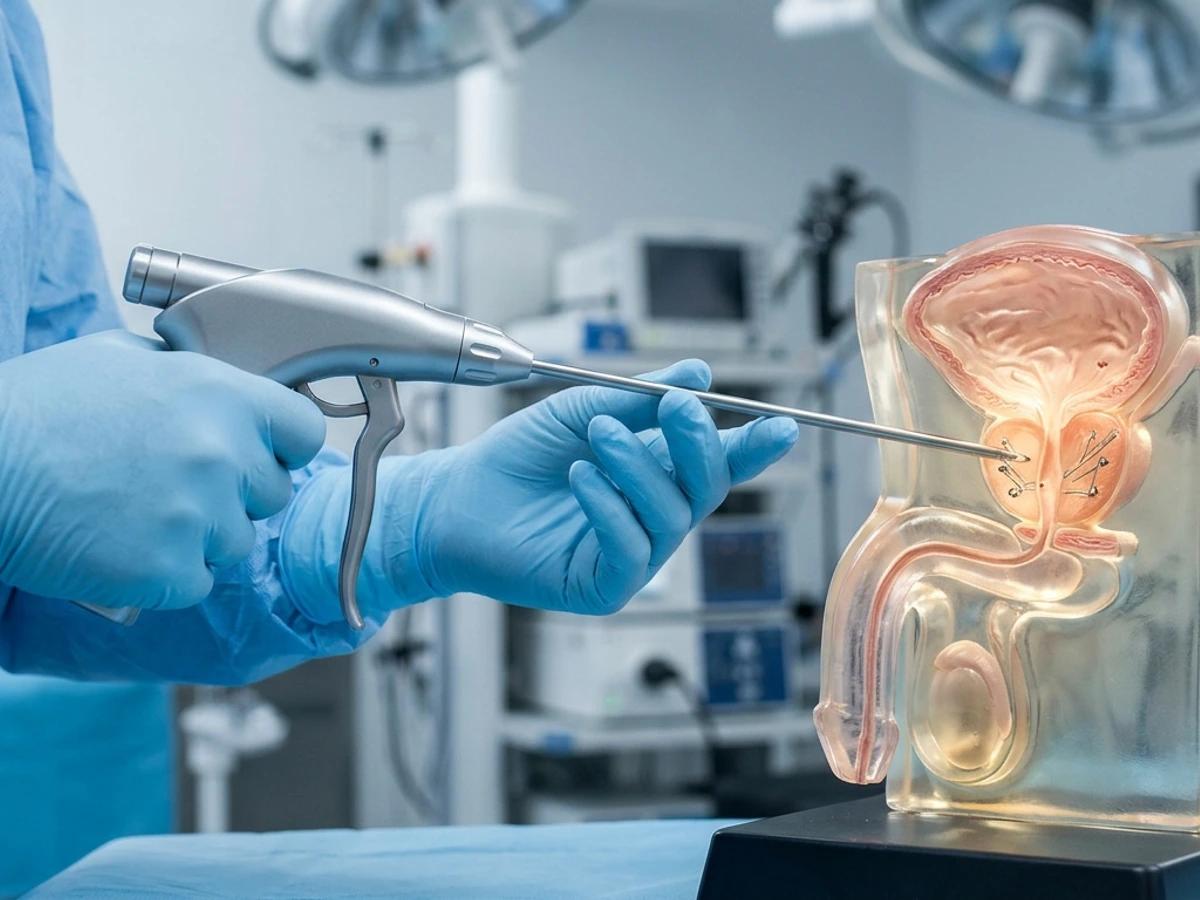
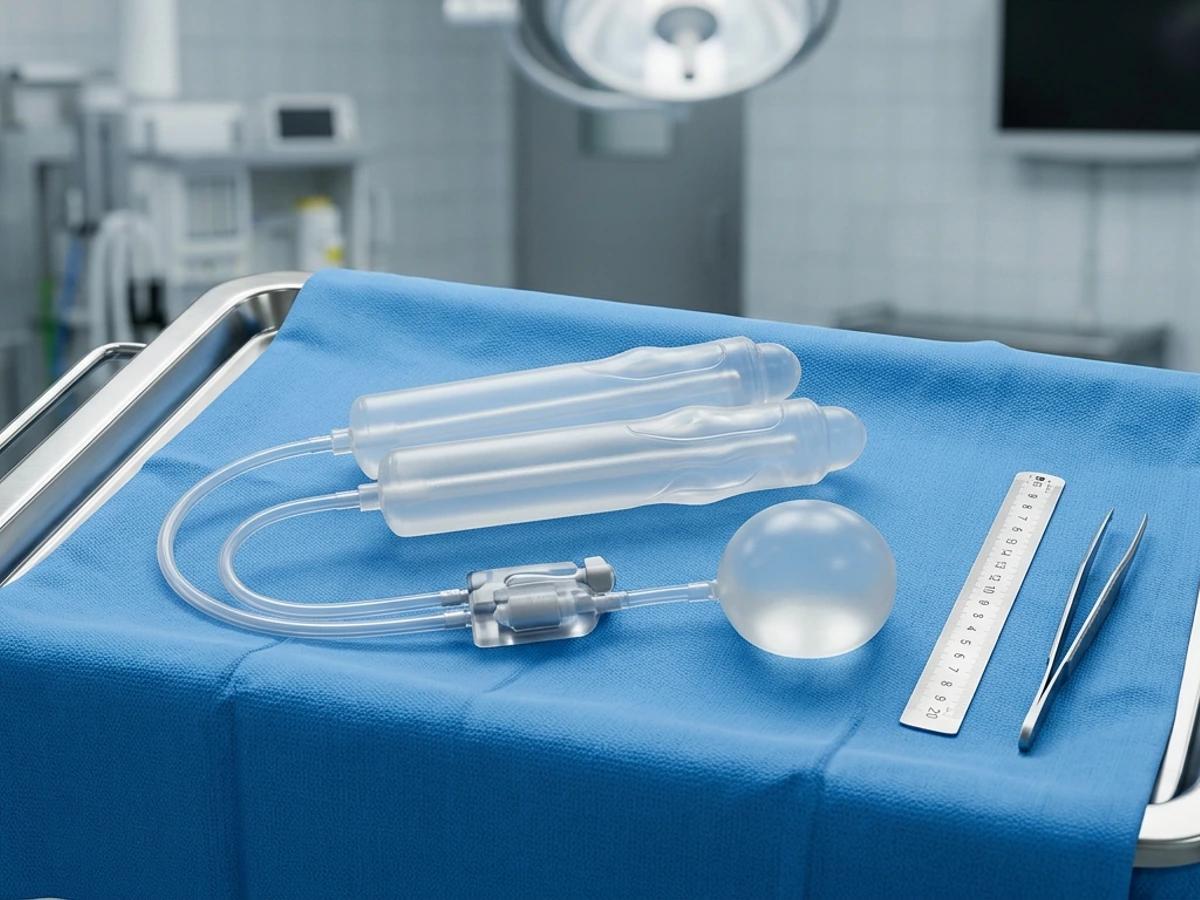
- Risk-Tailored Treatment: Active surveillance, nerve-sparing focal therapy (IRE NanoKnife), radical surgery, radiotherapy (+ spacer), or modern systemic therapy for advanced stages.
Why can a healthy, athletic 58-year-old man with zero urinary complaints be diagnosed with prostate cancer during an annual checkup? Across his acclaimed 8-Episode Prostate Cancer Education Series, Dr. Niti Navanimitkul (ว.29673) demystifies every step from your first PSA blood test through MRI PI-RADS scoring, MRI fusion biopsy, PSMA PET scanning, and tailored treatment at every stage.
Understanding Your Prostate MRI PI-RADS Score (1 to 5)
| PI-RADS Score | Chance of Significant Cancer | Typical Next Clinical Step |
|---|---|---|
| PI-RADS 1 – 2 | Very low / Low | Often avoid immediate biopsy; monitor PSA & PSA density |
| PI-RADS 3 | Equivocal (borderline) | Combine with PSA density, clinical exam & shared decision-making |
| PI-RADS 4 – 5 | High / Very high | Proceed to targeted MRI-Ultrasound Fusion Prostate Biopsy |
Every Stage Has Effective Options
Not every localized prostate cancer requires immediate surgery: low-risk tumors can be safely monitored with Active Surveillance, single-spot low-to-intermediate tumors may suit Focal Therapy (IRE NanoKnife), clinically significant localized cancers are cured with robotic/radical prostatectomy or precision radiotherapy, and even metastatic disease discovered on PSMA PET-CT responds remarkably well to modern systemic therapies. Schedule your PSA screening or second-opinion MRI review with Dr. Niti at M-Trust Urology Clinic Pattaya.