Clinical Key Takeaways (At a Glance)
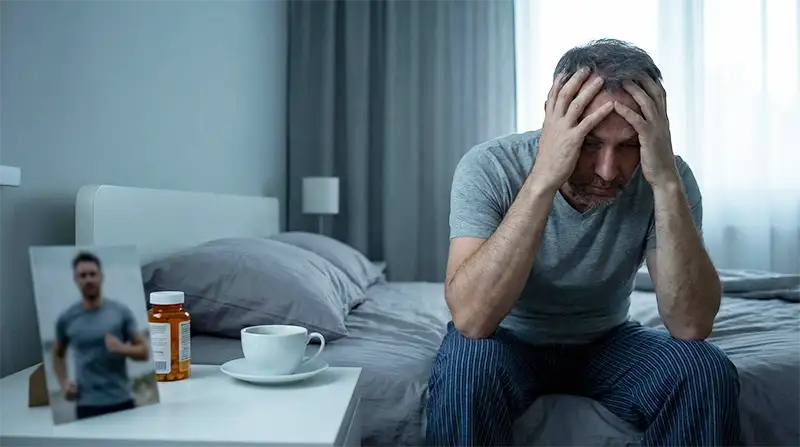
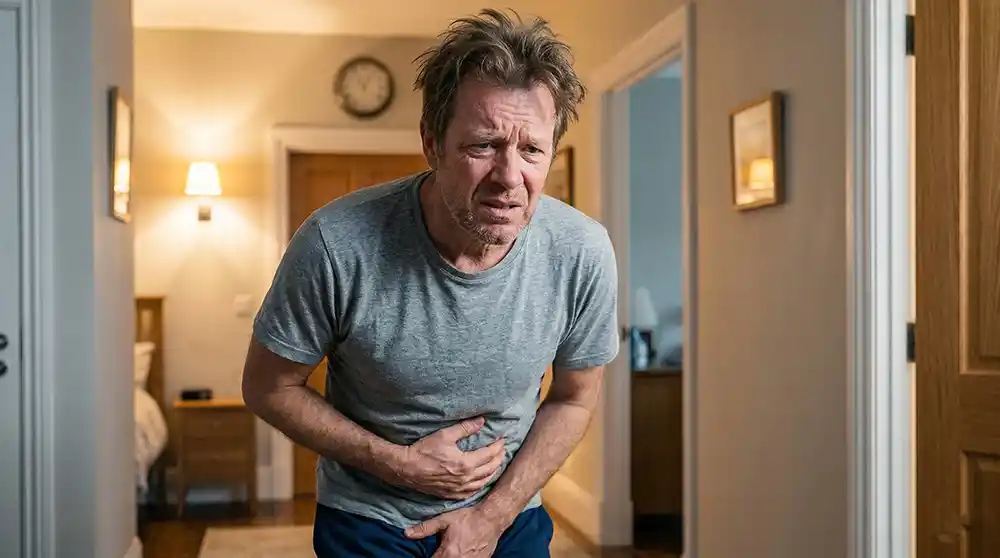
- 3 Symptom Clusters: Sexual (low libido, fewer morning erections), Physical (fatigue, muscle loss, belly fat, bone loss), and Mood (irritability, low drive, poor focus).
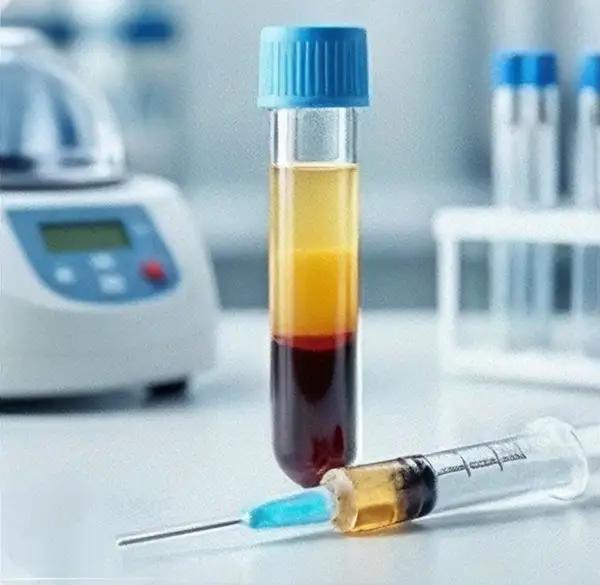
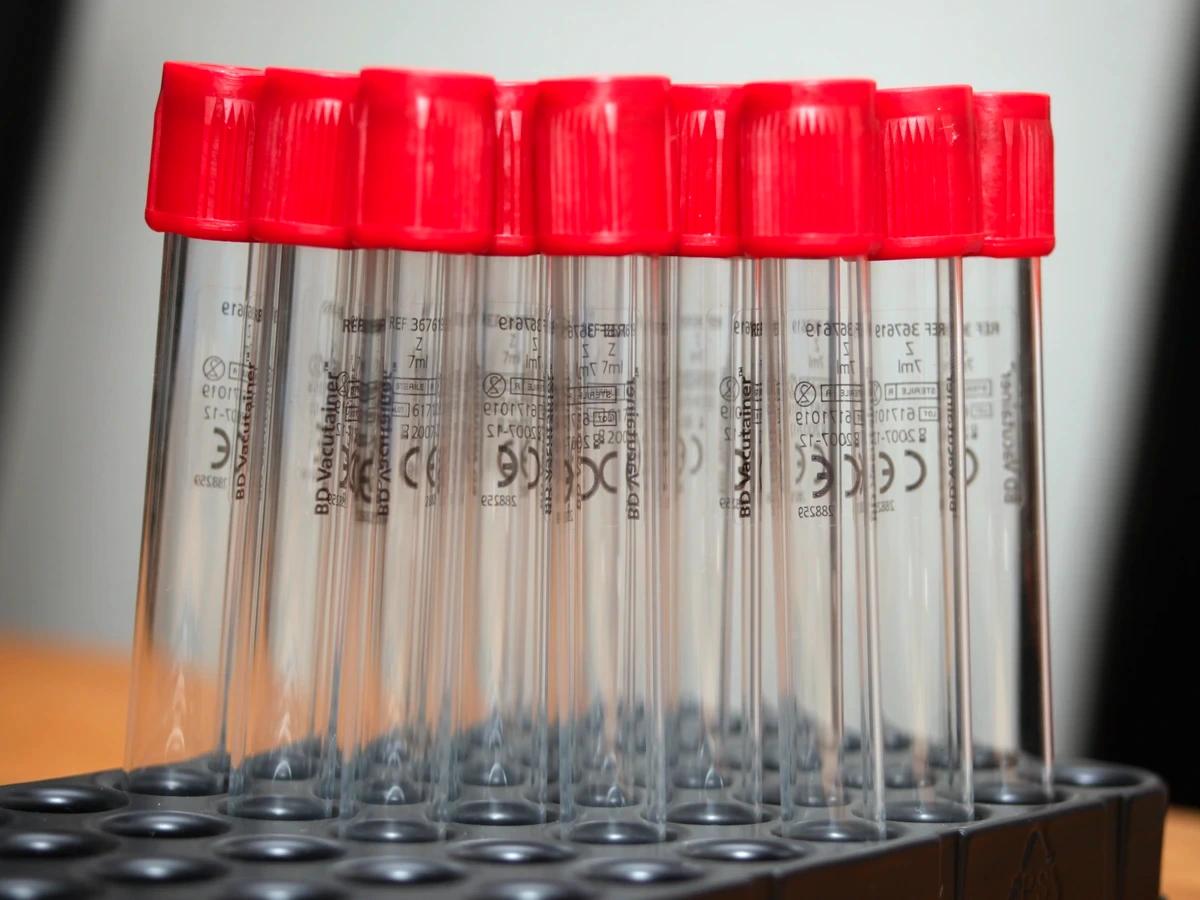
- Test Before 11:00 AM Twice: Afternoon draws mislead—accurate diagnosis requires two morning blood tests before 11 AM alongside symptom correlation.
- Fertility & Monitoring Safeguards: Physician-supervised TRT tracks hematocrit and PSA closely; tell your doctor first if you still plan to have children.
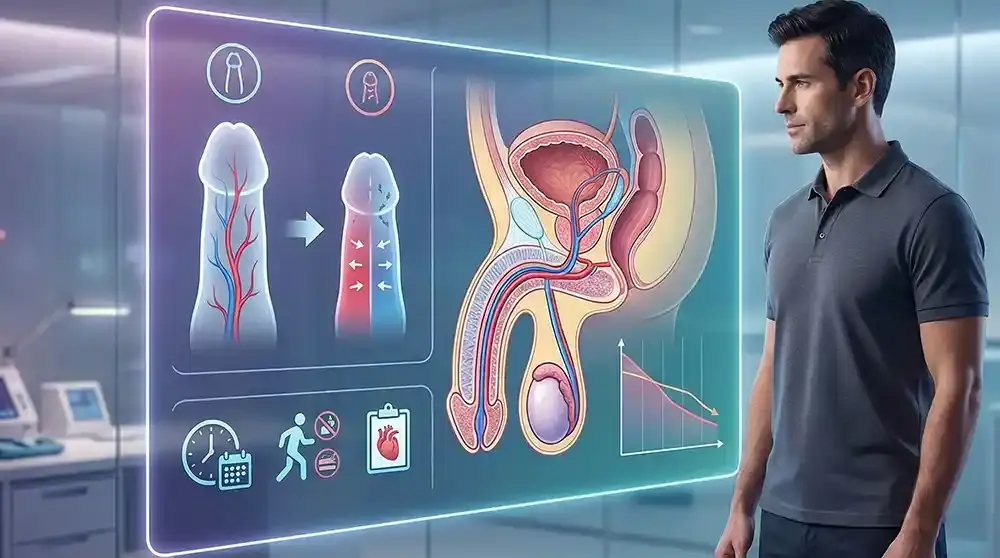
Produced primarily in the testicles, testosterone regulates sex drive, muscle mass, bone density, red blood cell production, mood, and daily vitality. After age 30–40, levels decline gradually—and excess belly fat, type 2 diabetes, obstructive sleep apnea, or certain medications can accelerate that drop. In this clear guide, Dr. Niti Navanimitkul (ว.29673) explains how to test Low T properly and restore balance safely.
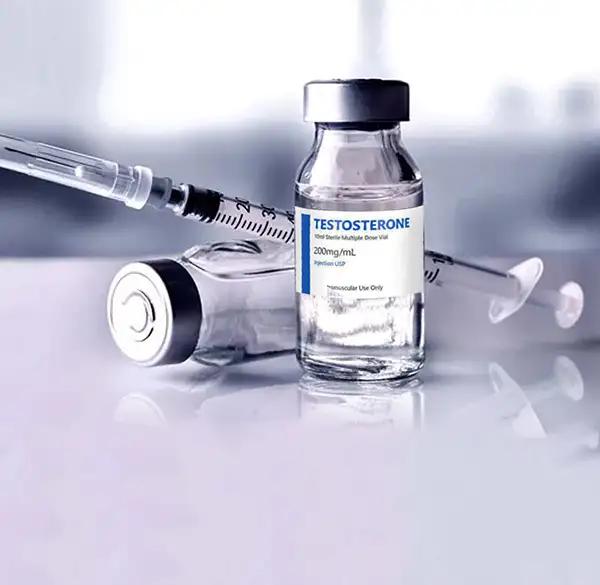
Turning the Belly-Fat Cycle Around + Safe Medical TRT
Because abdominal fat suppresses testosterone and low testosterone promotes further fat storage, starting with fat loss, progressive strength training, quality sleep, and sleep-apnea care can naturally lift hormone levels. When two morning blood tests (<11:00 AM) confirm true hypogonadism with persistent symptoms, Testosterone Replacement Therapy (TRT) at M-Trust Urology Clinic is tailored with scheduled blood count, hormone, and PSA safety checks—protecting fertility when family planning matters. Book your morning (pre-11 AM) hormone checkup in Pattaya.