Center of Excellence in Urology & Men's Health (Pattaya, Chonburi, Rayong)
SurgeryVideo Guide6 min read

URSL Ureteroscopic Laser Lithotripsy for Ureter Stones: Scarless Removal & Double-J Stent Aftercare

When a stone gets stuck in the ureter causing severe flank pain or kidney blockage, URSL removes it through the natural urinary passage with zero skin incisions. Dr. Niti explains laser dusting, Double-J stents, and why stone + fever is a medical emergency.

URSL Ureteroscopic Laser Lithotripsy for Ureter Stones: Scarless Removal & Double-J Stent Aftercare
Specialist Video Guide · Dr. Niti Navanimitkul

URSL: Laser Treatment for a Stone in the Ureter, What to Expect and Aftercare | Patient Guide

@Dr.Niti-ProstateMensHealth

Video Chapters & Key Moments (Click to Jump)

Clinical Key Takeaways (At a Glance)

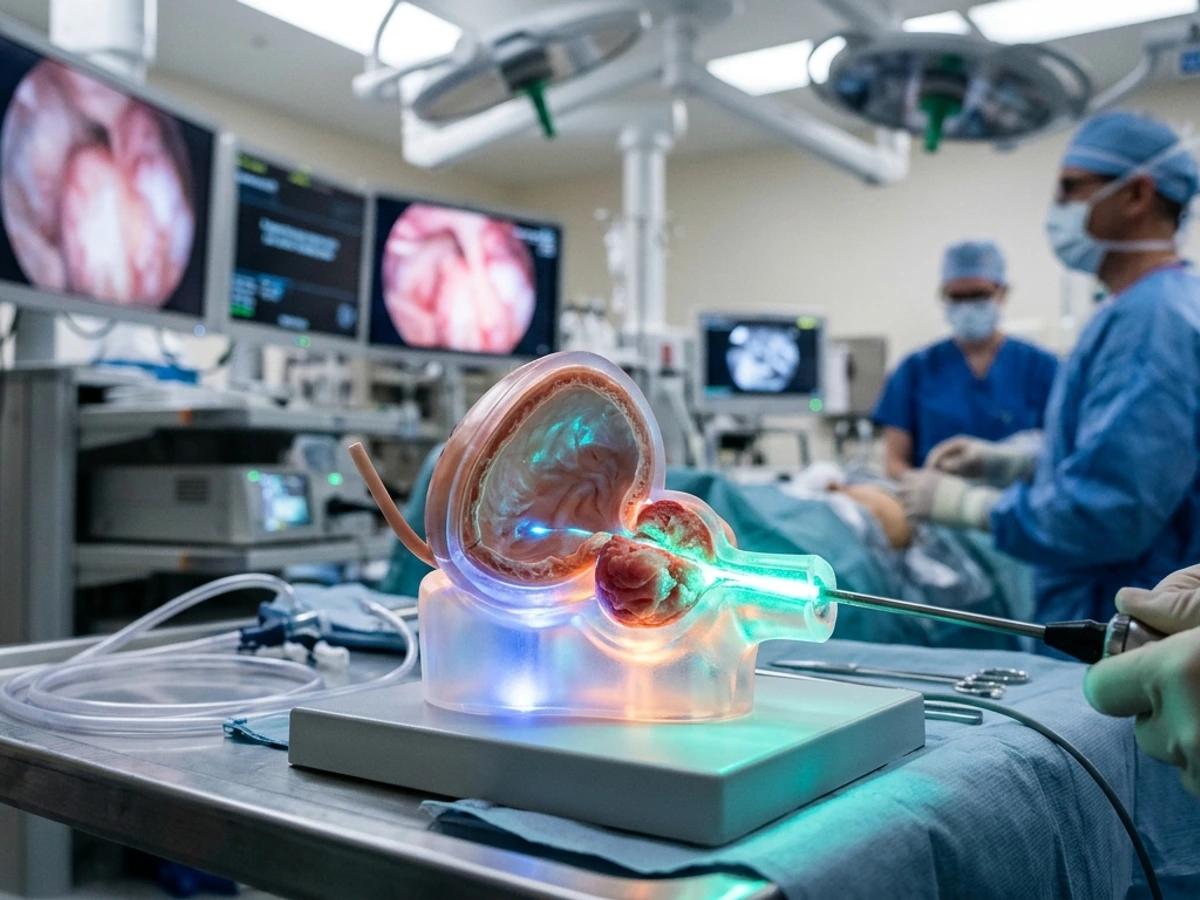
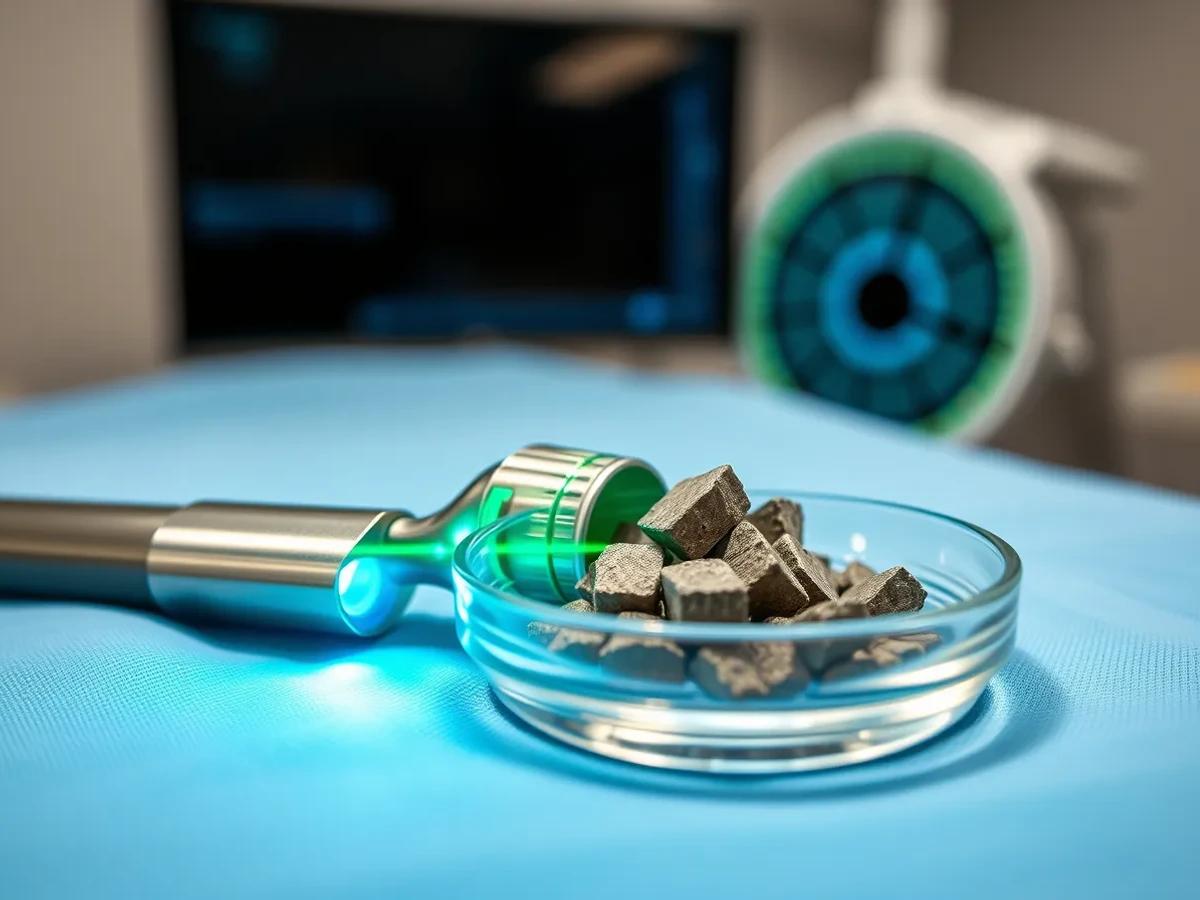
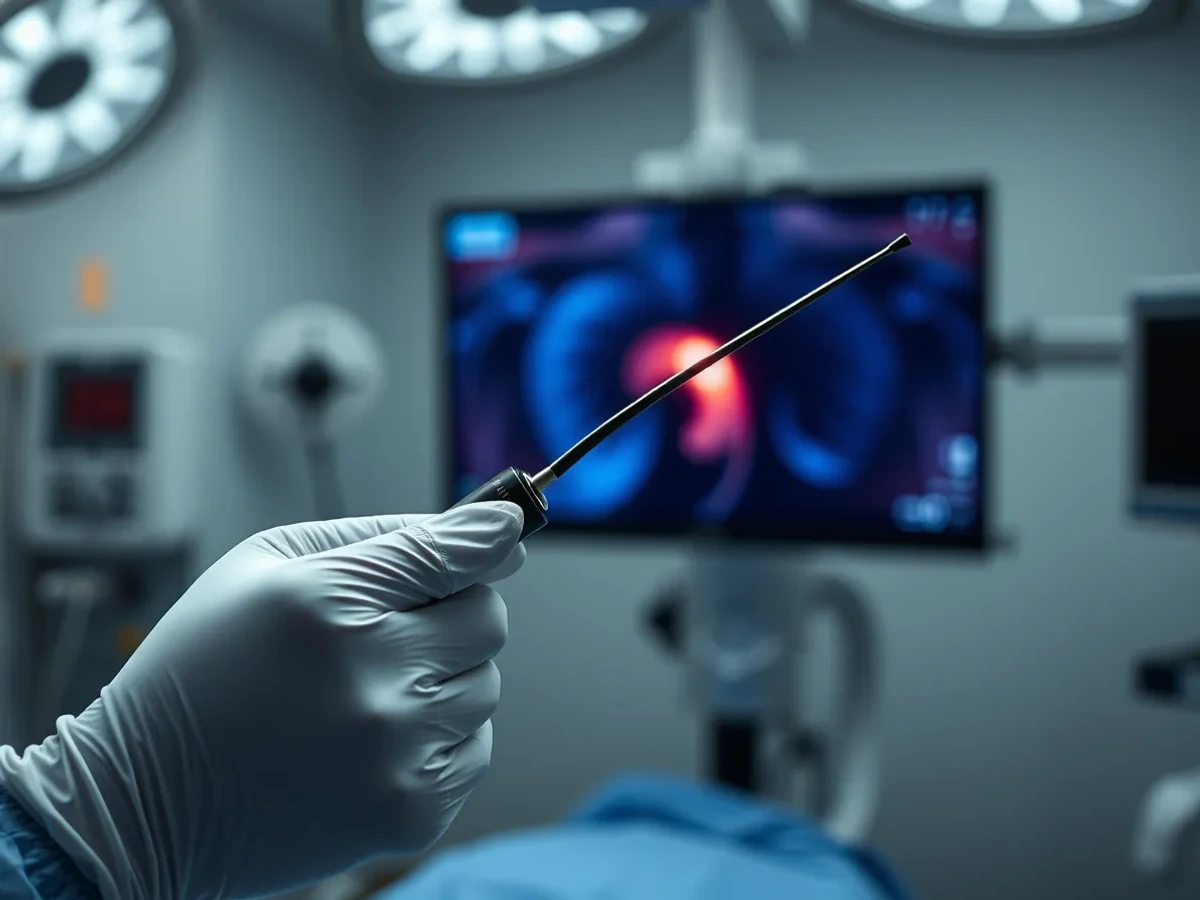
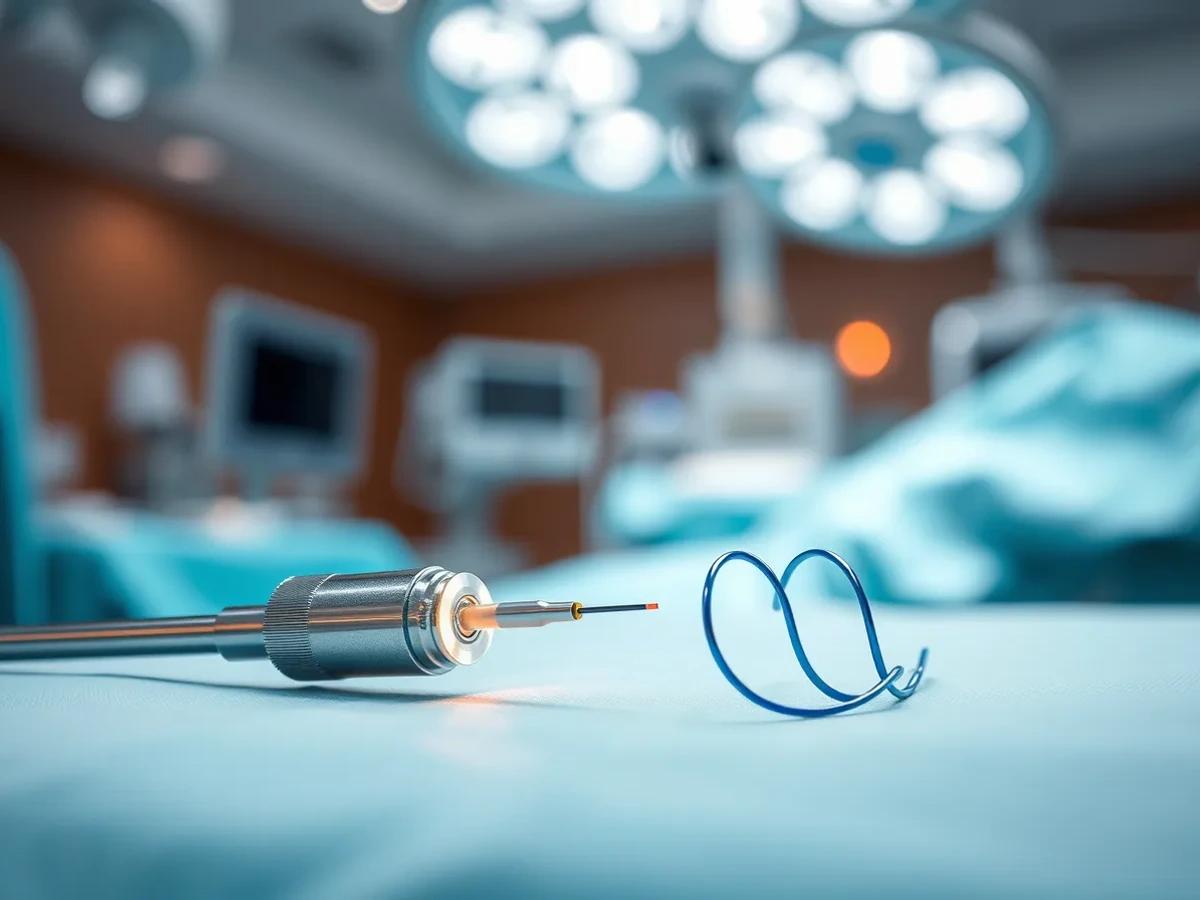
  • Zero Skin Incisions: Ureteroscopic Laser Lithotripsy (URSL) passes an ultra-thin telescope through the urethra and bladder up into the ureter, dusting stones with a Holmium laser and retrieving fragments with a micro-basket.
  • 30–60 Minute General Anesthesia Procedure: Typically 1 night in hospital; a temporary soft Double-J stent may stay for 1–2 weeks and must be removed on schedule.
  • Critical Red Flag: A ureter stone with fever or chills is an immediate hospital emergency requiring urgent kidney drainage before stone fragmentation.

While tiny ureteric stones sometimes pass naturally under close medical observation, stones that stay stuck cause excruciating colicky flank pain and dangerous back-pressure on the kidney. Including real endoscopic laser footage from one of his own cases, Dr. Niti Navanimitkul (ว.29673) explains how URSL (Ureteroscopic Laser Lithotripsy) clears ureter stones cleanly without a single cut on the skin.

Double-J Stent Aftercare & Stone Prevention

  • What to Expect With a D-J Stent: Mild urinary frequency, urgency, flank twinges during urination, or light pink urine are normal stent sensations that resolve once the stent is removed after 1–2 weeks. Never forget your stent removal date.
  • Preventing Recurrence: Retrieved stone fragments are analyzed in the laboratory so Dr. Niti can tailor hydration targets, sodium reduction, and metabolic prevention.
  • Post-Op Emergency Signs: Go to the nearest hospital immediately if you develop high fever, shaking chills, inability to pass urine, heavy clots, or uncontrolled pain.

Experiencing flank pain, blood in urine, or a diagnosed ureteric stone? Explore Laser Kidney & Ureter Stone Treatment and contact M-Trust Urology Clinic Pattaya.
Frequently Asked Clinical Questions

Why is a ureter stone accompanied by fever or chills an emergency?
Infected urine trapped behind a blocking stone can rapidly cause life-threatening urosepsis. Instead of breaking the stone immediately under high pressure, the urologist urgently places a drainage Double-J stent (or nephrostomy tube) first to decompress the kidney and clear the infection, then performs definitive laser stone removal safely later.
What is a Double-J stent and when is it removed?
A Double-J (D-J) stent is a soft internal silicone/polyurethane tube curled at both ends inside the kidney and bladder so urine drains freely while ureteral swelling subsides. It is usually removed painlessly in 1 to 2 weeks with a small flexible scope—never miss your scheduled stent removal appointment.
How long does URSL surgery take and how do I prevent stones coming back?
Under general anesthesia, URSL typically takes 30–60 minutes with a 1-night hospital stay. Extracted fragments are analyzed in the lab to identify stone composition; high daily water intake, low dietary sodium, and follow-up ultrasound/X-ray markedly cut recurrence risk.

Ready to Start?