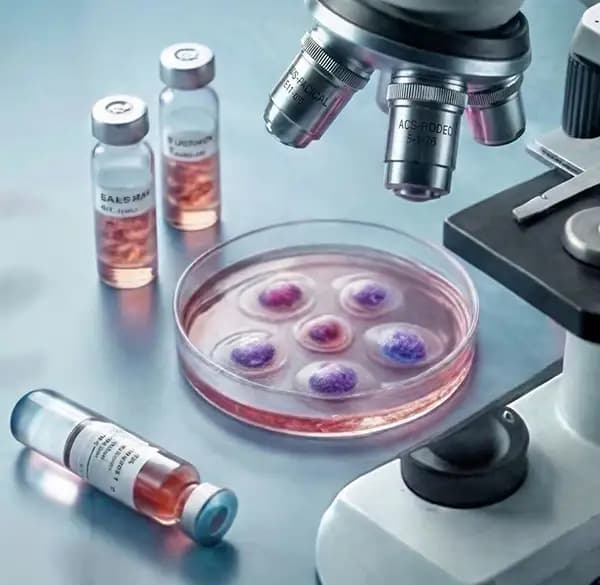
Testosterone Replacement Therapy (TRT)
Restore Your Energy, Libido, and Confidence — Medically Supervised Testosterone Optimization for Men.

What is Testosterone Replacement Therapy (TRT)?
Testosterone Replacement Therapy (TRT) is a medically supervised treatment designed to restore testosterone levels in men with hypogonadism (clinically low testosterone). By bringing this essential hormone back to healthy physiological levels, TRT helps reverse symptoms like chronic fatigue, low libido, muscle loss, and mood changes — helping men regain their energy, mental clarity, and overall quality of life.
Clinical Mechanism
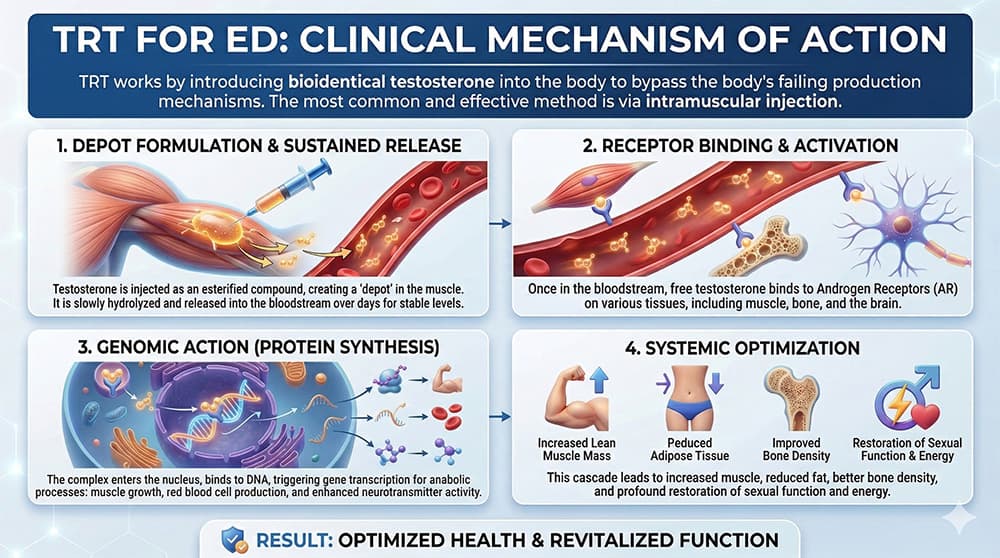
The Clinical Mechanism of Action:
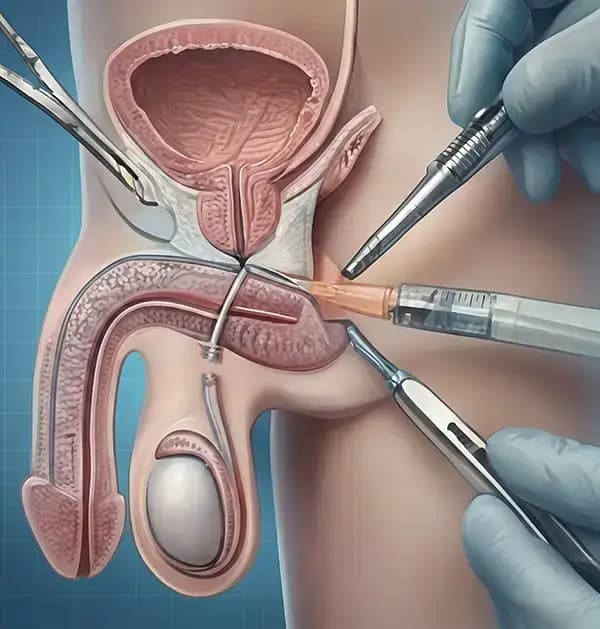
1. Depot Formulation & Sustained Release: Testosterone is typically administered as an esterified compound (e.g., Testosterone Cypionate or Enanthate) injected into the muscle. This creates a 'depot' or reservoir in the muscle tissue, from which testosterone is slowly hydrolyzed and released into the bloodstream over several days, ensuring stable hormone levels.
2. Receptor Binding & Activation: Once in the bloodstream, free testosterone binds to Androgen Receptors (AR) located in various tissues throughout the body, including muscle cells, bone marrow, and the brain.
3. Genomic Action (Protein Synthesis): The testosterone-receptor complex moves into the cell nucleus and binds to specific DNA sequences. This triggers the transcription of genes responsible for anabolic processes—stimulating protein synthesis for muscle growth, increasing red blood cell production (erythropoiesis) for better oxygenation, and enhancing neurotransmitter activity for improved mood and libido.
4. Systemic Optimization: This cascade of biological events leads to increased lean muscle mass, reduced adipose tissue (fat), improved bone density, and a profound restoration of sexual function and energy.
Treatment Procedure
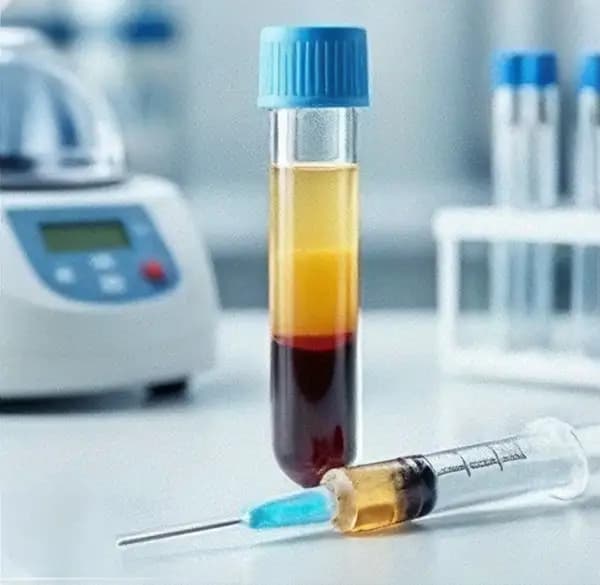
Blood Testing
Comprehensive panel: testosterone, LH, FSH, estradiol, PSA, CBC.
Diagnosis
Review results, symptoms, and medical history with specialist.
Treatment Start
Choose delivery method: injections, gels, or pellets. Begin protocol.
Monitoring
Regular follow-ups every 3-6 months to optimize dosage and monitor safety.
Safety & Monitoring
TRT is safe when properly supervised by a specialist. Regular blood tests monitor testosterone, estradiol, hematocrit, and PSA levels. Possible side effects include polycythemia (elevated red blood cell count), acne, and potential cardiovascular considerations — all of which are manageable with proper medical oversight and dosage adjustment.
Suitable Candidates
- Men with lab-confirmed low testosterone (total T <300 ng/dL).
- Symptoms: low libido, fatigue, muscle loss, depression, brain fog.
- Age 30+ with unexplained decline in vitality.
- Those seeking medically supervised hormone optimization.
TRT Response Timeline
Initial Changes
Improved energy and mood. Sexual interest begins to return.
Physical Changes
Muscle mass increases, body fat decreases. Libido peaks.
Sustained Benefits
Full hormonal optimization. Quality of life significantly improved.
Frequently Asked Questions
QIs TRT a lifelong treatment?
For most men, TRT is an ongoing therapy. Stopping treatment typically causes testosterone levels to return to baseline. However, some patients may use it cyclically under careful medical supervision.
QDoes TRT increase the risk of prostate cancer?
Current medical evidence does not show that TRT causes prostate cancer. However, PSA levels are regularly monitored as a standard safety precaution.
QWhat is the best way to take testosterone?
Injections (weekly or biweekly) are the most reliable and cost-effective option. Topical gels provide steady daily absorption but cost more. Pellets (implanted every 3-6 months) offer convenience but require a minor in-office procedure.
Ready to Start?
Consult with our Board-certified specialists at M-Trust Urology for Testosterone Replacement Therapy.